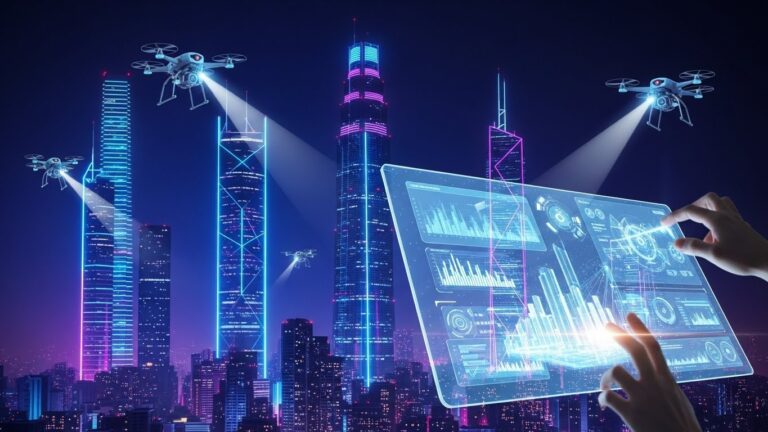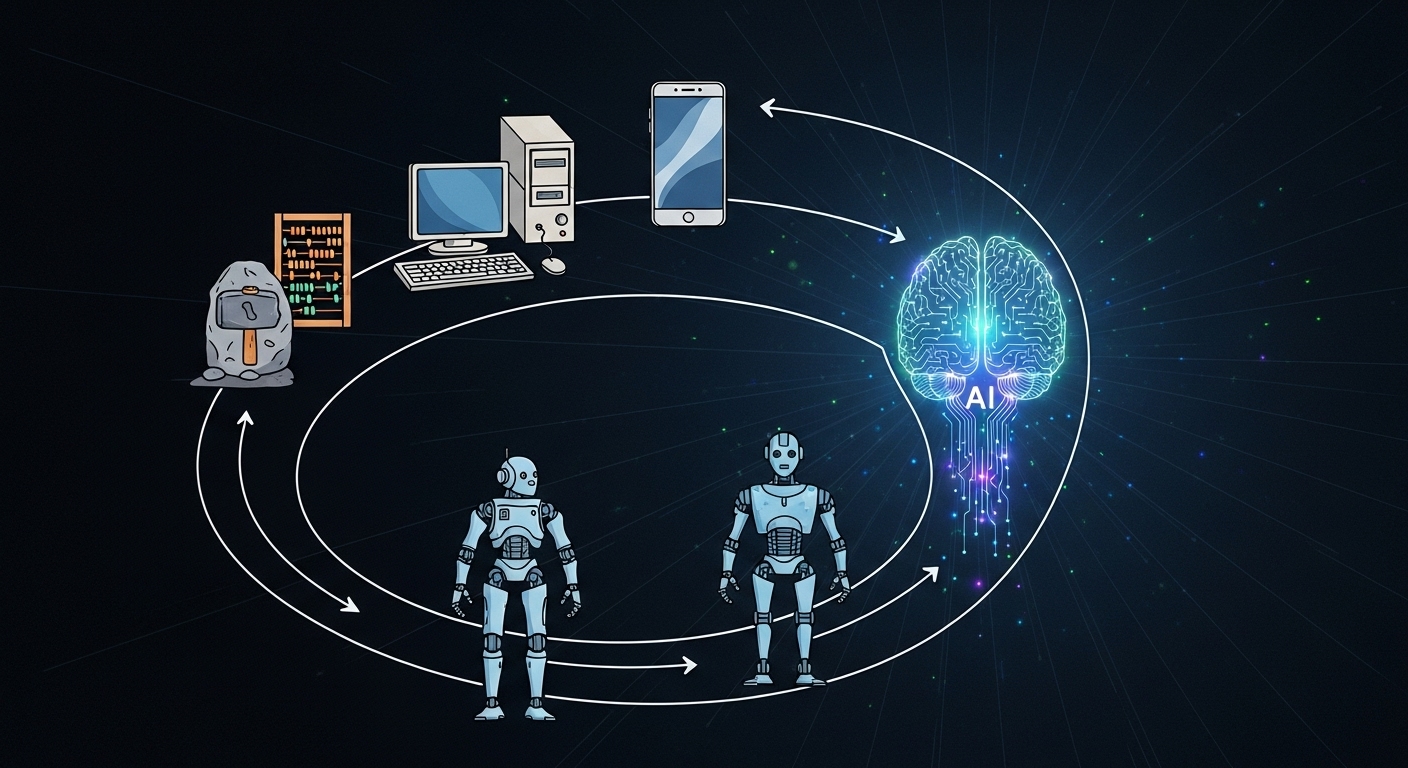
Technology has become the cornerstone of modern life, influencing every aspect of society. From the way we communicate to the way we work and learn, advancements in technology have reshaped human existence. Understanding the evolution of technology, its current state, and future possibilities allows us to appreciate its impact and prepare for the innovations ahead.
The Dawn of Technological Innovation
Humanity’s journey with technology began thousands of years ago. Early tools, such as stone axes and fire, marked the beginning of human ingenuity. These inventions, though simple by today’s standards, were revolutionary at the time and laid the foundation for progress.
With the advent of the wheel, agriculture, and writing systems, societies were able to organize more effectively and transmit knowledge across generations. Each technological breakthrough built upon previous discoveries, creating a cumulative effect that accelerated human development.
Industrial Revolution: The Mechanization Era
The Industrial Revolution of the 18th and 19th centuries marked a dramatic shift from agrarian societies to industrialized nations. Steam engines, mechanized looms, and railways revolutionized manufacturing, transportation, and communication. Factories replaced small workshops, and mass production became possible, lowering costs and increasing accessibility to goods.
The Industrial Revolution also had profound social and economic impacts. Urbanization increased as people moved to cities for work, while education and literacy rates rose due to the need for skilled labor. This period illustrated how technology not only changes the tools we use but also reshapes society itself.
The Digital Revolution: Computers and Connectivity
The 20th century introduced a new wave of technological transformation: the digital revolution. The invention of computers, microprocessors, and the internet created unprecedented opportunities for communication, information processing, and automation.
Computers, initially massive and expensive machines, gradually became smaller, faster, and more affordable. Personal computers brought computing power to homes, enabling individuals to process information, create content, and connect with others in ways previously unimaginable.
The internet, emerging in the late 20th century, connected billions of people worldwide. Email, instant messaging, and social media transformed communication. Knowledge became more accessible, and businesses leveraged online platforms to reach global markets. The digital revolution not only accelerated information sharing but also democratized access to technology.
Mobile Technology: Computing in Your Pocket
The rise of smartphones and mobile devices marked another significant technological shift. Mobile technology made computing portable, allowing users to access information, communicate, and perform tasks from virtually anywhere.
Smartphones integrated multiple functions, including cameras, GPS navigation, and digital payment systems, into a single device. This convergence of technologies transformed industries such as transportation, retail, and entertainment. Mobile applications enabled personalized experiences, while mobile internet connectivity facilitated real-time communication and instant access to global information.
Artificial Intelligence: Machines that Think
Artificial Intelligence (AI) represents a paradigm shift in technology. AI systems can analyze vast amounts of data, recognize patterns, and make decisions with minimal human intervention. From virtual assistants to autonomous vehicles, AI is reshaping industries and daily life.
Machine learning, a subset of AI, allows systems to learn from data and improve performance over time. This capability has applications in healthcare, finance, manufacturing, and many other fields. AI-powered diagnostic tools can detect diseases earlier, while predictive algorithms optimize business operations and enhance customer experiences.
Ethical considerations have emerged alongside AI development. Issues such as privacy, bias, and job displacement require careful attention to ensure that AI benefits society without causing harm.
Internet of Things: A Connected World
The Internet of Things (IoT) refers to the network of interconnected devices that communicate and share data. IoT has transformed homes, cities, and industries by enabling real-time monitoring, automation, and intelligent decision-making.
Smart homes illustrate IoT’s potential. Connected devices such as thermostats, security cameras, and appliances can be controlled remotely, optimizing energy usage and enhancing convenience. In industrial settings, IoT enables predictive maintenance, reducing downtime and increasing efficiency.
IoT also has implications for healthcare, transportation, and agriculture. Wearable devices monitor health metrics, smart traffic systems improve urban mobility, and connected sensors optimize crop production. As IoT devices proliferate, the amount of data generated continues to grow, fueling further advancements in AI and analytics.
Blockchain Technology: Redefining Trust
Blockchain technology has emerged as a revolutionary tool for secure, decentralized record-keeping. By creating immutable digital ledgers, blockchain enables transparent transactions without the need for intermediaries.
Cryptocurrencies like Bitcoin popularized blockchain, but its applications extend far beyond digital currency. Supply chain management, healthcare records, voting systems, and intellectual property protection all benefit from blockchain’s security and transparency.
The decentralized nature of blockchain challenges traditional centralized systems, offering new models for governance, finance, and information sharing. While adoption is still evolving, blockchain holds the potential to redefine trust and accountability in the digital age.
Augmented Reality and Virtual Reality: Blurring Reality
Augmented Reality (AR) and Virtual Reality (VR) technologies are transforming how we interact with digital content. AR overlays digital information onto the real world, while VR creates immersive, computer-generated environments.
In gaming and entertainment, AR and VR offer new levels of interactivity and engagement. In education, these technologies provide immersive learning experiences, allowing students to explore historical sites, conduct virtual experiments, or visualize complex concepts.
Healthcare also benefits from AR and VR. Surgeons use AR overlays for precise operations, while VR therapy helps treat phobias, PTSD, and chronic pain. As these technologies evolve, they are likely to become integral to professional, educational, and personal experiences.
Robotics: Machines in Action
Robotics combines mechanical engineering, electronics, and AI to create machines capable of performing tasks autonomously or with minimal human intervention. Robots are widely used in manufacturing, logistics, healthcare, and space exploration.
Industrial robots increase productivity, precision, and safety, while collaborative robots, or cobots, work alongside humans to enhance efficiency. In healthcare, surgical robots enable minimally invasive procedures, and autonomous delivery robots optimize logistics.
The integration of AI with robotics leads to intelligent machines that can adapt to changing environments, learn from experience, and interact with humans naturally. Robotics represents the physical manifestation of technological advancement, bridging the gap between digital intelligence and real-world action.
Cloud Computing: The Backbone of Modern Technology
Cloud computing has revolutionized how data is stored, processed, and accessed. By providing scalable, on-demand computing resources over the internet, cloud technology enables businesses and individuals to leverage powerful infrastructure without significant upfront investment.
Cloud platforms support a wide range of applications, from data analytics to web hosting and software development. Collaboration is enhanced as teams access shared resources from anywhere in the world. Cloud computing also underpins other technological advancements, including AI, IoT, and big data analytics.
Security, privacy, and data management remain critical concerns in cloud adoption. Nevertheless, cloud computing continues to drive innovation, reduce costs, and enable rapid deployment of new technologies.
Cybersecurity: Protecting the Digital Frontier
As technology becomes increasingly integral to daily life, cybersecurity has emerged as a critical concern. Cyber threats, including hacking, malware, phishing, and ransomware, pose significant risks to individuals, businesses, and governments.
Effective cybersecurity involves a combination of technology, policy, and human awareness. Encryption, multi-factor authentication, and network monitoring protect data, while regular training helps users recognize and respond to threats.
The growing reliance on connected devices, cloud services, and digital transactions underscores the need for robust cybersecurity strategies. As technology advances, so too must the methods for safeguarding it, creating an ongoing arms race between innovators and malicious actors.
Emerging Technologies: Shaping the Future
Several emerging technologies promise to redefine the technological landscape. Quantum computing, for example, has the potential to solve complex problems exponentially faster than classical computers, impacting fields such as cryptography, drug discovery, and climate modeling.
Biotechnology and genetic engineering are advancing healthcare and agriculture, offering solutions to previously intractable challenges. Renewable energy technologies, including solar, wind, and energy storage, aim to create sustainable solutions for global energy needs.
Space technology is also progressing rapidly, with private companies and government agencies exploring lunar bases, Mars missions, and satellite networks. These innovations highlight humanity’s ongoing quest to expand knowledge, improve quality of life, and address global challenges through technology.
The Social Impact of Technology
Technology’s impact extends beyond devices and systems—it shapes society itself. Communication technologies have transformed social interactions, while digital platforms influence politics, culture, and public opinion.
Education has become more accessible through online learning platforms, enabling students worldwide to acquire knowledge and skills. Telemedicine and health apps improve access to healthcare, particularly in remote areas. Technology also enables social entrepreneurship, empowering individuals to create innovative solutions for pressing societal problems.
However, challenges accompany these benefits. Digital addiction, misinformation, privacy concerns, and job displacement require careful consideration. Balancing innovation with ethical, social, and environmental responsibility is essential to ensure that technology serves humanity positively.
Conclusion: Embracing a Technological Future
The evolution of technology is a testament to human ingenuity, creativity, and resilience. From primitive tools to AI-driven systems, technological advancements have transformed how we live, work, and interact.
As we move forward, embracing emerging technologies while addressing their societal implications will be crucial. Ethical development, inclusive access, and sustainability must guide innovation. By understanding and leveraging technology responsibly, humanity can continue to harness its potential to solve complex problems, improve quality of life, and explore new frontiers.
Technology is not just a tool; it is a driving force shaping the future of civilization. Its evolution reflects our collective imagination, determination, and capacity to innovate. The journey is ongoing, and the possibilities are limitless.
About the Author