Introduction to the Tech Era
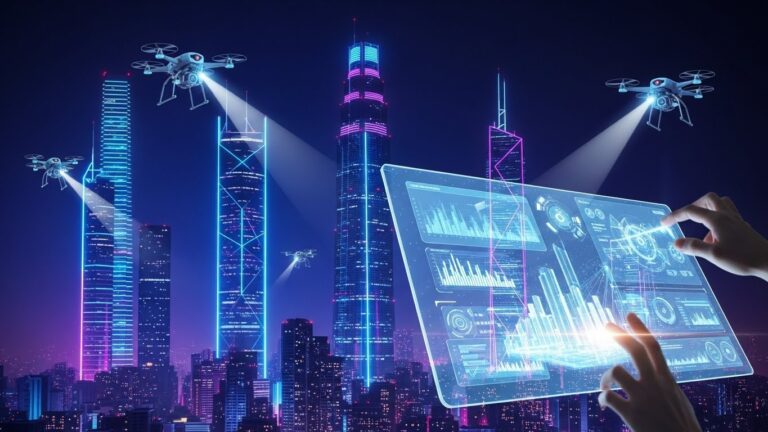
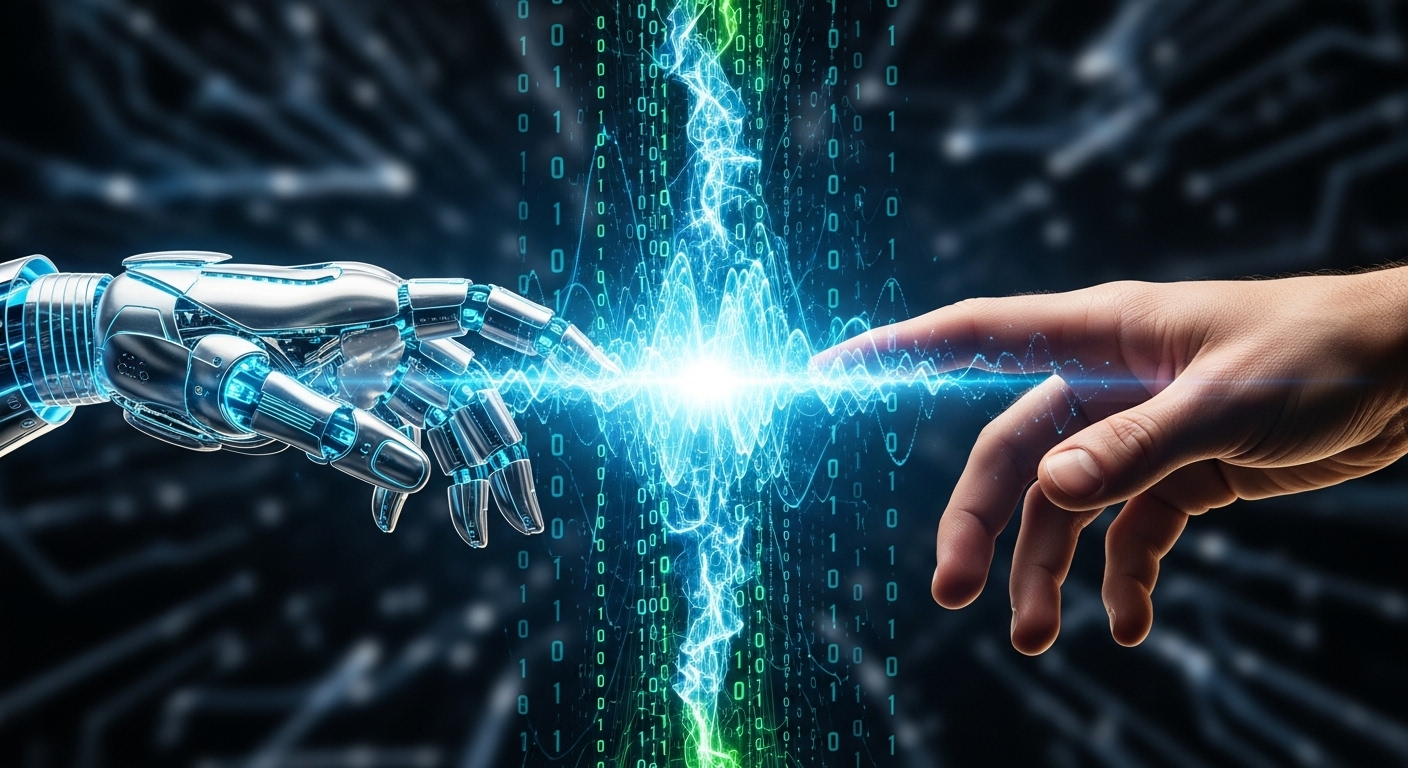
Technology has become a foundation of modern life. From smartphones to artificial intelligence, the influence of technology can be felt in every corner of the world. It has transformed how we communicate, work, learn, and even think. The rapid pace of technological progress has made the world more connected than ever before, allowing ideas, people, and industries to collaborate on a global scale. In this blog, we will explore the various aspects of technology, its impact on society, and the future possibilities that lie ahead. This is not limited to a single topic but rather a broad journey across the landscape of modern technology.
Rise of Digital Communication
Communication has always been a cornerstone of human civilization. With the rise of digital communication tools, messaging apps, and video conferencing platforms, people can now talk to each other across continents within seconds. Gone are the days when letters took weeks to arrive. Today, people use smartphones to send instant messages, share multimedia, and even hold virtual meetings in real time. Digital communication has not only made life convenient but has also opened the door to remote work and global collaboration.
The Evolution of Smartphones
Smartphones are more than just devices for communication. They have evolved into powerful handheld computers capable of performing a vast range of tasks. From capturing high-resolution photos and videos to navigating using GPS, smartphones integrate multiple technologies into one compact device. Over time, hardware improvements such as advanced processors, better cameras, and longer battery life have made smartphones indispensable. Modern smartphones also come equipped with artificial intelligence, allowing them to recognize faces, interpret voice commands, and automate routine tasks.
Artificial Intelligence and Machine Learning
Artificial intelligence (AI) is one of the most transformative technologies of our time. AI enables machines to mimic human intelligence, learn from data, and make decisions. Machine learning, a subset of AI, focuses on teaching computers to learn from patterns without being explicitly programmed. AI has applications in healthcare, education, transportation, finance, and many other industries. Virtual assistants like voice-controlled AI, recommendation systems used by streaming platforms, and autonomous vehicles are all examples of AI in action. The future of AI includes even smarter systems capable of understanding emotions, predicting complex outcomes, and working alongside humans in harmony.
Cloud Computing and the Future of Data
Cloud computing has changed how data is stored and accessed. Instead of saving files on a physical device, people now store them in the cloud, which allows access from anywhere with an internet connection. Cloud computing provides scalable storage, reduces costs, and increases efficiency. Businesses use cloud platforms to host applications, manage databases, and support remote employees. Cloud technology has made it possible for startups to grow rapidly without investing heavily in physical infrastructure. It has also enabled the creation of advanced services such as AI tools, online collaboration platforms, and data analytics systems.
Internet of Things and Smart Devices
The Internet of Things (IoT) refers to a network of physical objects connected to the internet that can collect and exchange data. These objects include smartwatches, smart home devices, and industrial sensors. IoT makes everyday objects more intelligent and interactive. For example, smart thermostats can regulate home temperatures automatically based on user preferences, and wearable fitness trackers monitor heart rate, sleep patterns, and physical activity. In industrial settings, IoT devices help monitor machinery, predict failures, and improve efficiency. The IoT ecosystem continues to grow as more devices become connected, transforming homes, cities, and industries into smart environments.
Impact of Technology on Education
Technology has revolutionized education by making learning more accessible and interactive. Online learning platforms allow students to attend classes from anywhere in the world. Digital textbooks, educational apps, and virtual classrooms have replaced traditional methods of teaching. Teachers use interactive tools to explain complex concepts using animations, simulations, and videos. Students can learn at their own pace, revisit lessons, and participate in group discussions. Technology has also made education more inclusive by offering opportunities to people in remote areas and those with disabilities. With advancements like AI-powered tutoring and augmented reality learning experiences, the future of education looks even more promising.
Transformation of Healthcare Through Technology
Technology has greatly improved healthcare services and patient outcomes. Electronic health records allow doctors to access patient information quickly and make informed decisions. Telemedicine enables patients to consult with doctors from the comfort of their homes. Wearable health devices monitor vital signs and alert users to potential health risks. Robotic surgery allows surgeons to perform complex procedures with precision and minimal invasiveness. AI is used in diagnosing diseases, analyzing medical images, and predicting patient outcomes. These technologies have made healthcare more efficient, accurate, and accessible to people across the globe.
Automation and Robotics in Industry
Automation and robotics are transforming the manufacturing sector. Robots are used to perform repetitive tasks such as assembling products, packaging goods, and managing inventory. They increase productivity, reduce human error, and improve safety in the workplace. Automation is also used in agriculture, construction, and logistics. For example, drones are used to monitor crops, while automated guided vehicles transport materials in warehouses. Advanced robots can work alongside humans in collaborative environments, a concept known as cobots. As technology advances, robots are becoming more intelligent, adaptable, and capable of performing complex tasks.
Cybersecurity and Digital Safety
As technology advances, so do the threats associated with it. Cybersecurity is essential to protect sensitive data and digital systems from hackers, malware, and cyberattacks. Individuals and organizations must take steps to secure their devices by using strong passwords, updating software, and avoiding suspicious emails. Businesses use advanced security tools like firewalls, encryption, and intrusion detection systems to protect their networks. Cybersecurity professionals monitor systems, identify threats, and respond to attacks. With the increasing use of online banking, cloud storage, and IoT devices, cybersecurity has become more important than ever.
The Role of Blockchain Technology
Blockchain is a decentralized digital ledger that records transactions securely and transparently. It is most commonly associated with cryptocurrencies, but its applications go beyond digital money. Blockchain can be used in supply chain management, voting systems, healthcare, and identity verification. Each block in a blockchain contains a record of transactions, and once added, it cannot be altered. This makes blockchain secure and trustworthy. Businesses use blockchain to track goods from production to delivery, ensuring authenticity and reducing fraud. As blockchain continues to evolve, it may redefine how data is stored and shared.
Growth of E-Commerce and Digital Payments
E-commerce has changed the way people shop. Instead of visiting physical stores, customers can buy products online and have them delivered to their homes. Online shopping platforms offer a wide variety of products, competitive prices, and convenience. Digital payment systems have made transactions faster and more secure. People can pay using mobile wallets, credit cards, or digital currencies. Contactless payments and QR codes have become popular, especially during times when physical contact is limited. E-commerce has also allowed small businesses to reach a global audience, creating new opportunities for entrepreneurship.
Social Media and Digital Culture
Social media platforms have become an integral part of modern life. They allow people to share their thoughts, connect with friends, and discover new content. Social media has changed the way businesses market their products and interact with customers. Influencer marketing, viral trends, and social campaigns have become powerful tools for promotion. However, social media also comes with challenges such as cyberbullying, misinformation, and addiction. It is important for users to use these platforms responsibly and maintain a healthy balance. Social media continues to evolve, with new features and platforms emerging to shape digital culture.
Gaming Industry and Virtual Worlds
The gaming industry is a major part of the tech world. Video games have evolved from simple arcade machines to immersive virtual worlds with stunning graphics and realistic gameplay. Online multiplayer games allow people from different countries to play together. Mobile gaming has made games accessible to millions of users worldwide. Esports, or competitive gaming, has become a professional field with tournaments, teams, and sponsorships. Virtual reality gaming takes immersion to the next level by allowing players to experience games in 3D environments. The gaming industry continues to innovate with advancements in graphics, storytelling, and interactivity.
Virtual Reality and Augmented Reality
Virtual reality (VR) and augmented reality (AR) are technologies that blend digital content with the real world. VR immerses users in a fully digital environment using headsets and motion sensors. It is used in gaming, training simulations, and virtual tours. AR overlays digital elements onto the real world using smartphones or smart glasses. Applications of AR include educational tools, navigation apps, and interactive marketing. Both technologies have potential in fields such as architecture, healthcare, and entertainment. As hardware becomes more affordable, VR and AR will become more mainstream and widely used.
The Future of Transportation Technology
Transportation is undergoing a major transformation thanks to technology. Electric vehicles are becoming popular due to their environmental benefits and lower operating costs. Autonomous vehicles, or self-driving cars, use sensors, cameras, and AI to navigate without human intervention. These vehicles promise to reduce accidents, traffic congestion, and transportation costs. High-speed trains and hyperloop systems aim to shorten travel times between cities. Drones are being used for delivery services, infrastructure inspection, and disaster response. The future of transportation is focused on sustainability, efficiency, and safety.
Smart Cities and Urban Innovation
Smart cities use technology to improve the quality of life for residents. They incorporate IoT devices, data analytics, and automation to manage resources efficiently. Smart traffic lights reduce congestion, while smart grids optimize energy consumption. Waste management systems use sensors to monitor bins and schedule collection when needed. Public services such as healthcare, education, and transportation are enhanced through digital platforms. Smart cities also promote environmental sustainability by reducing pollution and conserving resources. Urban innovation continues to grow as cities adopt new technologies to meet the needs of their citizens.
Work From Home and the Digital Workspace
The global shift to remote work has been made possible by technology. Video conferencing tools, cloud platforms, and collaboration software allow employees to work from anywhere. Remote work offers flexibility, reduces commuting time, and improves work-life balance. Businesses are adopting hybrid models that combine office and remote work. Digital workspaces include virtual meetings, shared documents, and project management tools. However, remote work also presents challenges such as isolation, distractions, and cybersecurity risks. Companies must create policies that support employee well-being, productivity, and security in the digital workspace.
Environmental Impact of Technology
Technology has both positive and negative effects on the environment. On one hand, it enables the creation of renewable energy solutions such as solar panels and wind turbines. Smart technologies help monitor pollution, manage resources, and reduce waste. On the other hand, electronic waste and energy consumption from data centers contribute to environmental problems. To minimize the negative impact, companies are focusing on green technology, recycling programs, and energy-efficient designs. Sustainable development aims to balance technological progress with environmental protection.
Ethics in Technology
As technology becomes more powerful, ethical questions arise. Issues such as data privacy, AI decision-making, and digital surveillance need to be addressed. It is important to ensure that technology is used responsibly and does not harm individuals or communities. AI systems must be transparent, unbiased, and fair. Users should have control over their personal data and know how it is being used. Governments and organizations are working on rules and policies to regulate technology. Ethical practices in technology help build trust and ensure that innovation benefits everyone.
Future Trends in Technology
The future of technology is full of exciting possibilities. Artificial intelligence will become more advanced, assisting in fields like medicine, education, and finance. Quantum computing has the potential to solve complex problems that current computers cannot handle. Biotechnology will lead to breakthroughs in genetics, farming, and medicine. Space technology will enable further exploration of the universe, with missions to the Moon, Mars, and beyond. Personal robots may become common in homes, helping with household tasks and caregiving. The integration of technology into everyday life will continue to grow, making the world more connected and intelligent.
Conclusion
Technology is a powerful force that shapes the world around us. It has transformed the way we live, work, and interact with each other. From artificial intelligence to smart cities, technology continues to push the boundaries of what is possible. While it brings countless benefits, it also comes with challenges that require responsible use and thoughtful regulation. As we move forward into the future, technology will remain at the heart of human progress, driving innovation and improving lives. Understanding technology and embracing its potential is essential for everyone living in this digital age.
About the Author