Introduction
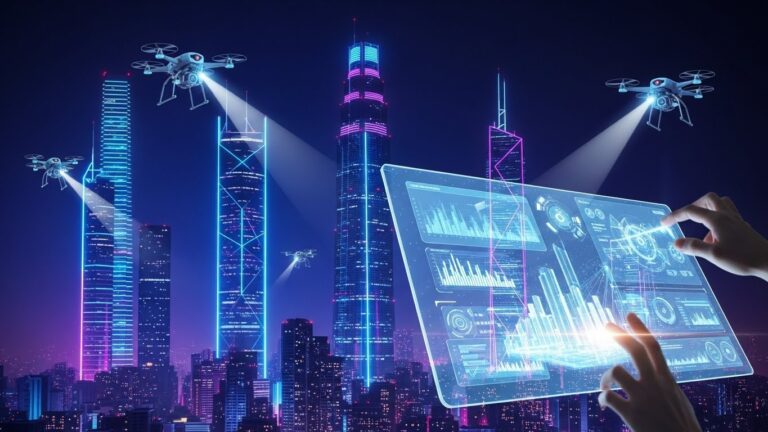
Technology has become the lifeblood of modern civilization. From the moment we wake up to the sound of a digital alarm to the time we fall asleep after scrolling through our phones, technology shapes our every move. It has changed how we think, work, communicate, and interact with the world. The twenty-first century is witnessing an unparalleled revolution where digital innovation is not just improving lives but redefining what it means to be human. This transformation, often subtle yet immensely powerful, has created a global ecosystem where humans and machines coexist in harmony.
The Journey of Technological Evolution
The story of technology begins with human creativity and the desire to solve problems. The earliest humans used stones as tools, marking the beginning of innovation. Over centuries, inventions like the wheel, printing press, and electricity shaped the progress of societies. The Industrial Revolution in the eighteenth century marked a major turning point, introducing machinery that increased production and changed the structure of economies forever.
As time progressed, the twentieth century brought about the digital revolution. The invention of computers, the internet, and mobile devices redefined human interaction. Today, we are in the era of artificial intelligence, robotics, and biotechnology, where machines are capable of thinking, learning, and making decisions. Each phase of technological evolution has brought humanity closer to an interconnected and intelligent world.
The Rise of the Digital Age
The digital age has transformed every dimension of life. It is characterized by instant communication, access to limitless information, and automation of everyday tasks. The internet, in particular, stands as the foundation of this transformation. It connects billions of people globally, creating an environment where information flows freely and collaboration knows no boundaries.
Social media platforms, smartphones, and cloud computing have become essential components of modern existence. People now work remotely, study virtually, and even conduct business entirely online. This shift has not only increased efficiency but has also empowered individuals to reach audiences that were once impossible to access. The digital world has become a global village, where opportunities are available to anyone with creativity and determination.
Artificial Intelligence: The Brain of the Future
Artificial intelligence, commonly known as AI, represents one of the greatest leaps in technological development. It refers to systems that can mimic human intelligence, perform complex tasks, and learn from experience. AI has applications across countless industries, including healthcare, education, business, and transportation.
In healthcare, AI assists doctors in diagnosing diseases with precision, predicting patient outcomes, and designing personalized treatments. In education, intelligent algorithms can assess a student’s performance and tailor lessons to their learning style. Businesses use AI to understand consumer behavior, automate tasks, and optimize marketing strategies.
One of the most remarkable aspects of AI is its ability to evolve. Through machine learning, AI systems improve their accuracy over time, becoming more efficient and reliable. However, as AI continues to advance, concerns about ethics, job displacement, and data privacy must be addressed. The challenge lies in using AI as a tool for empowerment rather than control.
The Internet of Things: Connecting the World Around Us
The Internet of Things, or IoT, is a term used to describe a network of interconnected devices that communicate with each other. From smart homes and wearable fitness trackers to connected vehicles and industrial sensors, IoT technology has woven itself into the fabric of daily life.
In households, smart devices make life more convenient. Thermostats adjust temperatures automatically, lighting systems respond to voice commands, and security cameras monitor homes remotely. In cities, IoT contributes to better traffic management, energy conservation, and waste reduction, paving the way for sustainable urban development.
Industries have also benefited immensely from IoT. Manufacturing plants use connected machinery to predict maintenance needs, reduce downtime, and enhance productivity. Agriculture employs smart sensors to monitor soil moisture and weather conditions, increasing crop yields and resource efficiency. The possibilities of IoT are vast, but they also demand robust cybersecurity to protect sensitive data and maintain trust.
The Impact of Technology on Communication
Communication has undergone a massive transformation due to technology. Gone are the days of handwritten letters and landline calls. Instant messaging, video conferencing, and social networking have made it possible to connect with anyone, anywhere, in real time.
This advancement has brought people closer together, breaking cultural and geographical barriers. Families separated by distance can stay connected effortlessly, and global businesses can collaborate across continents. The rise of digital communication has also changed journalism, marketing, and entertainment, giving rise to new forms of expression and creativity.
However, the digital age has also created challenges such as misinformation, cyberbullying, and overreliance on virtual interactions. Striking a balance between digital communication and real human connection remains a critical challenge of our time.
Technology in Education: Learning Without Limits
Education is one of the sectors most positively influenced by technology. Traditional classrooms have evolved into hybrid and online learning environments. Students now have access to global knowledge through digital platforms, e-books, and interactive learning tools.
Virtual reality and augmented reality have added new dimensions to education, allowing students to explore historical events, scientific concepts, and artistic expressions in immersive ways. Artificial intelligence helps teachers analyze student progress and create personalized study plans, ensuring that no learner is left behind.
Technology has also made education more inclusive. People from remote areas can access world-class courses, breaking the barriers of geography and socio-economic limitations. This shift has democratized knowledge, giving everyone an equal opportunity to learn and grow.
The Business Revolution Through Technology
In the business world, technology has become the cornerstone of growth and innovation. Companies use data analytics to understand consumer preferences, digital marketing to reach new audiences, and automation to enhance efficiency. Cloud computing allows businesses to operate seamlessly from anywhere, reducing costs and increasing flexibility.
E-commerce has completely redefined shopping behavior. Customers can now compare products, read reviews, and make purchases without stepping out of their homes. Businesses that adapt to these digital trends thrive in the competitive marketplace, while those that resist risk falling behind.
Technology has also made entrepreneurship more accessible. Small startups can now compete with large corporations through innovation and creativity. The digital age rewards ideas, agility, and adaptability, creating a more dynamic global economy.
The Role of Technology in Healthcare
Healthcare has been revolutionized by technology in remarkable ways. Advanced diagnostic tools, robotic surgeries, and telemedicine have improved patient care and accessibility. Wearable devices track vital signs and send real-time data to healthcare professionals, enabling early detection of potential health issues.
Artificial intelligence plays a major role in analyzing vast amounts of medical data, helping doctors make accurate decisions faster. Biotechnology is leading breakthroughs in genetic research, cancer treatment, and vaccine development. 3D printing is being used to create customized prosthetics and even artificial organs.
The combination of technology and healthcare promises a future where diseases are detected before they become severe, and treatments are tailored to individual needs. The ultimate goal is to extend human lifespan and improve quality of life.
Cybersecurity: The Shield of the Digital Era
As the digital world expands, so do its vulnerabilities. Cybersecurity has emerged as one of the most crucial aspects of technological advancement. Every online activity—from banking and shopping to social networking—creates data that must be protected from cybercriminals.
Hacking, phishing, and data breaches are constant threats that can damage individuals and organizations. To counter these dangers, technologies such as encryption, multi-factor authentication, and biometric security are being developed. Artificial intelligence also assists in identifying and preventing cyber threats before they cause harm.
However, cybersecurity is not solely a technical challenge. It requires education and awareness. Users must learn to recognize suspicious activities and take precautions to safeguard their digital identities. In an era where data equals power, protecting information is essential to maintaining trust in technology.
Ethical Challenges of Technological Growth
While technology offers immense benefits, it also brings ethical dilemmas. Questions about privacy, job automation, and artificial intelligence ethics are becoming more significant. The use of personal data by corporations and governments raises concerns about surveillance and consent.
Automation threatens to replace certain jobs, forcing societies to rethink employment structures and education systems. Artificial intelligence, if misused, can lead to biased decision-making or even autonomous systems that act without human oversight.
To ensure a fair and balanced future, ethical guidelines must accompany technological innovation. Governments, corporations, and individuals share the responsibility to ensure that progress benefits humanity as a whole.
The Future of Technology: Limitless Horizons
The future of technology holds endless possibilities. Artificial intelligence will continue to evolve, quantum computing will redefine processing power, and biotechnology will push the boundaries of medicine and genetics. Renewable energy technologies will reshape global energy systems, promoting a sustainable planet.
Space exploration, powered by advanced robotics and AI, will take humanity beyond Earth. Virtual and augmented reality will merge the digital and physical worlds, transforming how we work, learn, and entertain ourselves.
However, with all these advancements, the human element must remain central. Technology should be guided by empathy, ethics, and creativity. The greatest innovation is not in machines but in how humans use them to build a better future.
Conclusion
Technology is more than just a tool—it is a mirror reflecting humanity’s growth, imagination, and potential. It has changed how we live, learn, and connect, creating a world that is faster, smarter, and more connected than ever before. Yet, this power comes with responsibility. The digital dawn must be used to uplift humanity, bridge divides, and create opportunities for all.
As we stand at the edge of limitless innovation, one truth remains constant: technology’s greatest purpose is to serve humanity. The invisible revolution unfolding around us is not just about machines; it is about the people who create, use, and benefit from them. The future belongs to those who understand this harmony and use technology not just to change the world but to improve it.
About the Author