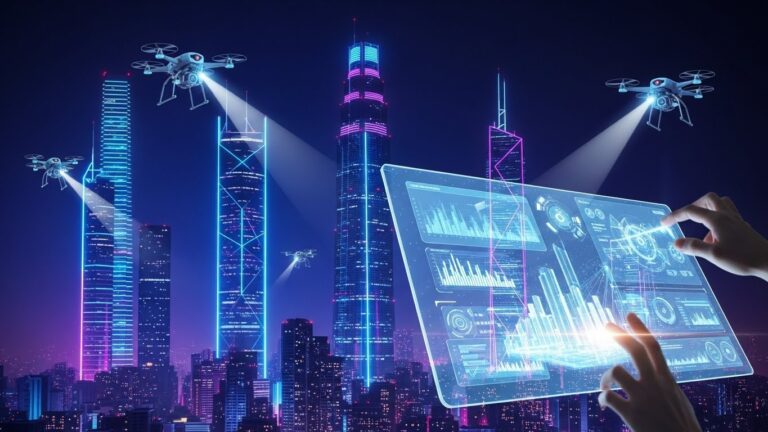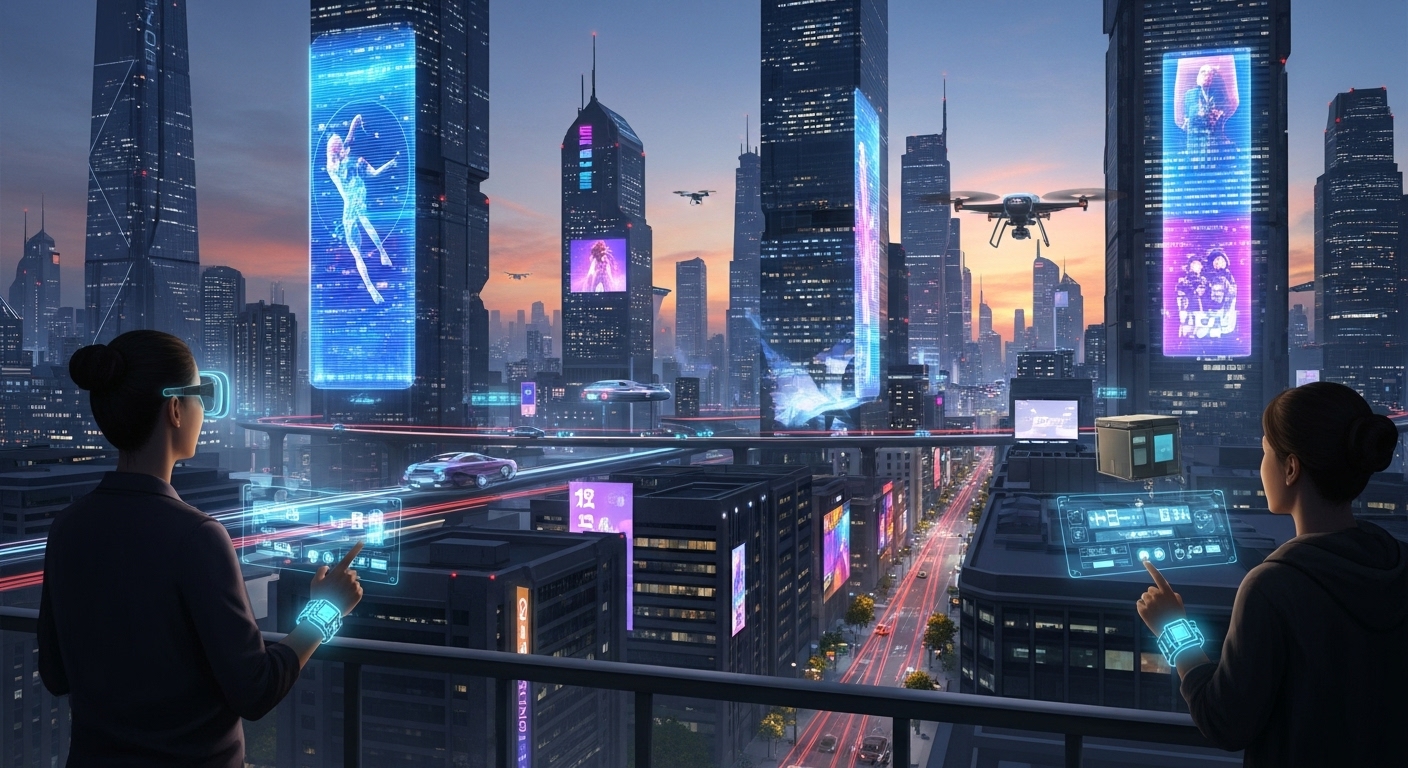
Technology is constantly evolving, and with each new breakthrough, it shapes the way we live, work, and interact with the world. From the advent of the internet to the rise of artificial intelligence and the ongoing developments in quantum computing, technological advancements continue to redefine the boundaries of what is possible. In this blog post, we will explore the transformative role of technology in the modern world, its impact on various industries, and how innovation is leading us into a new era of possibilities.
The Digital Revolution: Connecting the World
The digital revolution has been one of the most significant milestones in the history of technology. Over the past few decades, the internet has become a vital part of everyday life, fundamentally altering the way people communicate, access information, and conduct business. The advent of the World Wide Web in the 1990s was a game-changer, opening up vast new opportunities for individuals and businesses alike.
One of the key factors in the success of the internet has been its ability to connect people across the globe. Social media platforms like Facebook, Twitter, and Instagram have transformed how we interact with friends, family, and even strangers. These platforms have created online communities where individuals can share their lives, opinions, and experiences in real-time, leading to the creation of virtual spaces that mirror real-world relationships.
E-commerce has also been revolutionized by the internet, with companies like Amazon, eBay, and Alibaba transforming how we shop. The convenience of online shopping, combined with the ability to compare prices and access global markets, has made traditional brick-and-mortar stores increasingly less relevant for many consumers. The rise of digital payment systems like PayPal and mobile wallets has further streamlined the shopping experience, making transactions faster and more secure.
The internet has not only impacted personal life but also the business world. Remote work, cloud computing, and online collaboration tools have allowed companies to operate more efficiently and access talent from all over the world. With the rise of technologies like video conferencing and instant messaging, businesses have been able to adapt to changing work environments and maintain productivity despite geographical constraints.
The Rise of Artificial Intelligence: The Brain of the Future
Artificial Intelligence (AI) is perhaps one of the most exciting and transformative technologies of our time. AI refers to the simulation of human intelligence in machines that are capable of performing tasks that would normally require human cognition, such as decision-making, problem-solving, and learning. Over the past few years, AI has seen significant advancements, leading to its widespread adoption in industries ranging from healthcare to finance to entertainment.
In healthcare, AI is being used to improve diagnostics, predict patient outcomes, and personalize treatment plans. AI-powered algorithms can analyze medical images, detect early signs of diseases such as cancer, and even help in drug discovery. In addition, AI is being integrated into patient care through chatbots and virtual assistants, which provide patients with 24/7 support and guidance.
AI is also transforming the finance industry, with machine learning algorithms being used to predict market trends, detect fraudulent activity, and optimize investment strategies. AI-based trading systems have revolutionized stock market trading, making it faster and more efficient while reducing human error. In addition, AI-powered chatbots are becoming more common in customer service, helping businesses handle inquiries and resolve issues quickly.
The entertainment industry has also embraced AI, with streaming platforms like Netflix and Spotify using AI algorithms to recommend content based on user preferences. AI is also being used in video game development, where it powers non-playable characters (NPCs) to act more realistically and adapt to player behavior. Additionally, AI is being explored in the creation of new forms of media, such as deepfakes and AI-generated music and art.
While AI offers many benefits, it also raises important ethical questions. Concerns about job displacement, privacy, and the potential for biased algorithms are some of the challenges that society must address as AI becomes more integrated into our lives.
5G Technology: The Next Generation of Connectivity
The rollout of 5G networks is another major milestone in the world of technology. 5G, the fifth generation of wireless technology, promises to deliver faster speeds, lower latency, and more reliable connections than its predecessors. With speeds up to 100 times faster than 4G, 5G has the potential to transform industries and enable new applications that were once thought to be impossible.
One of the most significant impacts of 5G will be its ability to support the growing demand for connected devices in the Internet of Things (IoT). 5G will enable billions of devices, from smart homes and wearables to autonomous vehicles and industrial sensors, to communicate with each other in real-time. This level of connectivity will create new opportunities for automation, data collection, and remote control.
In healthcare, 5G will enable the development of telemedicine and remote surgeries. With ultra-low latency and high-speed data transfer, doctors will be able to perform complex procedures on patients from anywhere in the world. The ability to transmit large medical images and data quickly will enhance diagnostics and treatment planning, particularly in rural and underserved areas.
5G will also revolutionize entertainment and media. Streaming high-definition video, virtual reality (VR), and augmented reality (AR) will become more seamless and accessible with 5G networks. For example, 5G will enable immersive VR experiences where users can interact with virtual environments in real-time, making gaming and entertainment more engaging and interactive.
While 5G holds great promise, there are also challenges to its widespread adoption. The infrastructure required to support 5G networks is expensive and time-consuming to build, and concerns about the health effects of 5G radiation continue to be debated. Despite these challenges, the potential for 5G to transform industries and create new opportunities is immense.
Blockchain Technology: Transforming Trust and Security
Blockchain technology has gained significant attention in recent years due to its potential to disrupt industries beyond just cryptocurrency. At its core, blockchain is a decentralized digital ledger that records transactions across a network of computers. Each “block” in the chain contains a list of transactions, and once a block is added to the chain, it cannot be altered, ensuring transparency and security.
While blockchain is most commonly associated with cryptocurrencies like Bitcoin and Ethereum, its potential applications extend far beyond finance. One of the most promising uses of blockchain is in supply chain management. By using blockchain, companies can track the provenance of goods, ensuring transparency and reducing the risk of fraud. For example, blockchain can be used to track the journey of food products from farm to table, ensuring that consumers know exactly where their food is coming from and how it was produced.
In healthcare, blockchain can be used to securely store and share patient data, giving patients more control over their medical records while ensuring privacy and security. Blockchain can also help reduce administrative costs by streamlining processes such as billing and claims management.
Blockchain technology has the potential to revolutionize voting systems as well. By using blockchain, elections could be conducted in a secure, transparent, and tamper-proof manner, reducing the risk of fraud and increasing voter confidence. Similarly, blockchain can be used for identity verification, providing individuals with a secure and reliable way to prove their identity online.
Despite its promise, blockchain faces challenges in terms of scalability, regulatory issues, and energy consumption. However, as the technology matures, its potential to transform industries and provide new solutions to longstanding problems will continue to grow.
The Future of Work: Automation, Remote Collaboration, and AI Integration
Technology is also reshaping the world of work. The rise of automation and artificial intelligence is transforming industries, making processes more efficient while reducing the need for human labor in certain areas. In manufacturing, robots and AI-powered machines are increasingly being used to perform tasks such as assembly, quality control, and packaging. This has led to greater productivity, lower costs, and faster production times.
While automation brings many benefits, it also raises concerns about job displacement. As AI systems become more capable, certain jobs, particularly those that involve repetitive tasks, may be at risk of being automated. This has led to calls for investment in retraining and upskilling programs to ensure that workers are prepared for the jobs of the future.
In addition to automation, the rise of remote work has been accelerated by advances in communication and collaboration tools. Video conferencing platforms, cloud-based project management tools, and file-sharing systems have made it easier for teams to collaborate from anywhere in the world. This has led to a shift in how companies operate, with many adopting hybrid work models that combine remote and in-office work.
The future of work will likely see greater integration of AI and automation into everyday tasks. AI-powered assistants could handle administrative duties, while advanced analytics and machine learning could help organizations make more informed decisions. As technology continues to advance, the workplace will become more dynamic, with new roles and opportunities emerging as industries evolve.
The Challenges Ahead: Ethics, Privacy, and Security
As technology continues to advance at an unprecedented pace, it brings with it a host of challenges. One of the most pressing issues is the ethical implications of emerging technologies like AI, blockchain, and automation. As AI systems become more autonomous, questions about accountability, bias, and decision-making arise. How can we ensure that AI is used in a way that benefits society and does not reinforce existing biases or inequalities?
Privacy and data security are also major concerns in the digital age. With the increasing amount of personal data being generated and shared online, protecting individuals’ privacy has become more critical than ever. Cybersecurity threats, such as hacking and data breaches, continue to evolve, and ensuring the safety of sensitive information is a growing challenge for both businesses and individuals.
Additionally, the rapid pace of technological innovation has outpaced the development of regulations to govern its use. Governments and organizations must work together to create frameworks that address the ethical, legal, and social implications of emerging technologies. Striking a balance between innovation and regulation will be key to ensuring that technology continues to improve lives without compromising security or ethical standards.
About the Author