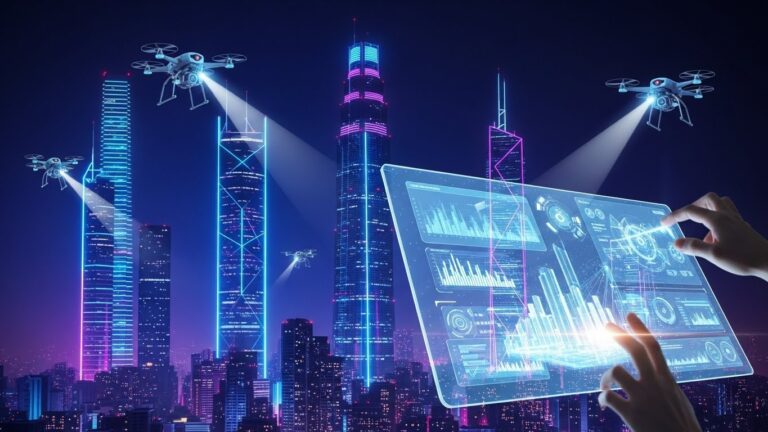
Technology has always been the driving force behind human progress, but the pace at which it is evolving today is unprecedented. From the earliest computers that filled entire rooms to sleek smartphones in our pockets, technology has transformed how we live, work, and communicate. Among the most transformative advancements is Artificial Intelligence (AI), which is not only changing industries but also redefining human interaction with machines. In this article, we will explore how AI and other emerging technologies are shaping our present and future, their implications, and what lies ahead for individuals and businesses in this tech-driven era.
The Rise of Artificial Intelligence
Artificial Intelligence has moved from science fiction to practical reality. AI systems are now capable of learning from vast datasets, recognizing patterns, and making decisions without human intervention. This rapid evolution has led to innovations in healthcare, finance, education, and more. In healthcare, AI-powered diagnostic tools can analyze medical images faster and more accurately than traditional methods, helping doctors detect diseases early. In finance, AI algorithms can predict market trends, detect fraud, and optimize investment strategies with remarkable precision.
AI is no longer confined to specialized applications; it is becoming a part of everyday life. Virtual assistants, smart home devices, and personalized recommendations on streaming platforms are all powered by AI. These systems continuously learn from user behavior, making interactions more intuitive and seamless. The shift towards AI-driven technologies is creating an ecosystem where machines complement human capabilities, making tasks faster, smarter, and more efficient.
Machine Learning and Deep Learning: The Engines Behind AI
At the heart of modern AI are machine learning and deep learning. Machine learning allows systems to improve their performance over time by analyzing data and learning from outcomes. Deep learning, a subset of machine learning, involves neural networks that mimic the human brain’s structure and function. These neural networks are capable of handling complex tasks such as image recognition, natural language processing, and autonomous driving.
The applications of deep learning are vast and diverse. In the automotive industry, self-driving cars rely on deep learning algorithms to navigate roads, interpret traffic signals, and avoid obstacles. In entertainment, AI can generate music, create art, and even assist in scriptwriting. The ability of machines to learn and adapt has opened new avenues for creativity and efficiency, pushing the boundaries of what was once thought possible.
The Internet of Things: Connecting the World
Another revolutionary technology is the Internet of Things (IoT), which connects everyday objects to the internet, enabling them to collect and exchange data. Smart homes, wearable devices, and connected vehicles are just a few examples of IoT applications. These devices enhance convenience, safety, and efficiency by providing real-time insights and automation.
For instance, smart thermostats adjust room temperatures based on user preferences and energy consumption patterns, reducing utility bills and environmental impact. Wearable fitness trackers monitor heart rate, sleep patterns, and physical activity, helping users lead healthier lifestyles. In industrial settings, IoT sensors monitor machinery performance, predict maintenance needs, and prevent costly breakdowns. The integration of IoT with AI further amplifies its potential, allowing devices to not only gather data but also make intelligent decisions based on that data.
Cybersecurity in the Age of AI
As technology advances, so do the threats that come with it. Cybersecurity has become a critical concern in the digital age, particularly with the widespread adoption of AI and IoT. Cybercriminals are leveraging AI to launch sophisticated attacks, making traditional security measures insufficient. AI-powered cybersecurity solutions, however, are rising to the challenge by detecting anomalies, identifying threats in real time, and responding faster than human operators could.
The importance of robust cybersecurity cannot be overstated. Data breaches, ransomware attacks, and identity theft can have severe consequences for individuals and organizations alike. Implementing AI-driven security systems, educating users about safe digital practices, and investing in secure infrastructure are essential steps to protect sensitive information in an increasingly connected world.
Cloud Computing: Powering Scalability and Innovation
Cloud computing has transformed the way businesses operate by providing scalable, on-demand access to computing resources. Companies can now store vast amounts of data, run complex applications, and collaborate across geographies without maintaining expensive physical infrastructure. Cloud services also support AI and big data analytics, enabling organizations to harness insights from massive datasets efficiently.
The flexibility offered by cloud computing allows businesses to innovate rapidly, deploy new products faster, and respond to market changes with agility. Startups can compete with established enterprises by leveraging cloud platforms to access advanced technologies without significant upfront investments. Moreover, cloud computing supports remote work by enabling seamless access to tools and resources from anywhere in the world, a trend that has become increasingly vital in the post-pandemic era.
Blockchain: Beyond Cryptocurrencies
While often associated with cryptocurrencies, blockchain technology has applications far beyond digital money. Blockchain provides a secure, transparent, and immutable way to record transactions, making it valuable in supply chain management, healthcare, and finance. By ensuring data integrity and reducing reliance on intermediaries, blockchain can enhance trust and efficiency in various processes.
For example, in supply chains, blockchain can track the movement of goods from production to delivery, reducing fraud and ensuring product authenticity. In healthcare, patient records can be securely stored and accessed only by authorized personnel, protecting sensitive information. As organizations explore blockchain’s potential, it is poised to revolutionize how data is managed, verified, and shared across industries.
Robotics: The Physical Face of AI
Robotics represents the tangible aspect of AI and automation, performing tasks that are repetitive, dangerous, or require precision. From manufacturing assembly lines to surgical robots in hospitals, robotics is enhancing productivity and safety. Collaborative robots, or cobots, work alongside humans, assisting with complex tasks and reducing the risk of injury.
The integration of AI with robotics has enabled machines to perform increasingly sophisticated operations. Drones are used for delivery, surveillance, and disaster response, while autonomous vehicles promise to redefine transportation. Robotics is also entering the consumer space, with robots assisting in household chores, elder care, and even education. As robotics technology continues to advance, it is reshaping industries and creating new possibilities for human-machine collaboration.
Ethical Considerations in Technological Advancements
As technology becomes more powerful, ethical considerations must keep pace. AI, IoT, and other emerging technologies raise questions about privacy, bias, job displacement, and decision-making accountability. Ensuring that technology benefits society as a whole requires thoughtful regulation, transparent practices, and responsible innovation.
For instance, AI algorithms can unintentionally perpetuate biases present in training data, leading to unfair outcomes in hiring, lending, or law enforcement. Companies and governments must prioritize ethical AI development by implementing rigorous testing, bias mitigation, and accountability measures. Similarly, privacy concerns surrounding IoT devices and data collection must be addressed to maintain public trust and protect individual rights.
The Future of Work in a Tech-Driven World
The rise of intelligent technology is transforming the workplace, creating new opportunities while rendering certain roles obsolete. Automation is taking over repetitive tasks, allowing humans to focus on creative, strategic, and complex problem-solving activities. Remote work, supported by cloud computing and collaboration tools, is becoming a standard practice, providing flexibility and work-life balance.
Reskilling and upskilling are critical in preparing the workforce for this shift. As AI and robotics take on routine tasks, employees need to develop skills in areas such as data analysis, machine learning, cybersecurity, and digital literacy. Organizations that invest in continuous learning and adapt to technological changes are more likely to thrive in the competitive landscape of the future.
Conclusion: Embracing Technology with Responsibility
The rapid advancement of technology presents both opportunities and challenges. AI, IoT, cloud computing, blockchain, and robotics are not just transforming industries; they are redefining the way humans interact with the digital world. These technologies hold immense potential to improve efficiency, enhance creativity, and solve complex problems. However, they also demand careful consideration of ethical, social, and security implications.
The future belongs to those who embrace technology responsibly, harness its power, and remain vigilant about its impact on society. By staying informed, investing in skills development, and prioritizing ethical innovation, individuals and organizations can navigate the complexities of the digital age and contribute to a future where technology serves humanity, rather than the other way around. The dawn of intelligent technology is here, and it is reshaping our world in ways we are only beginning to imagine.
About the Author