Introduction
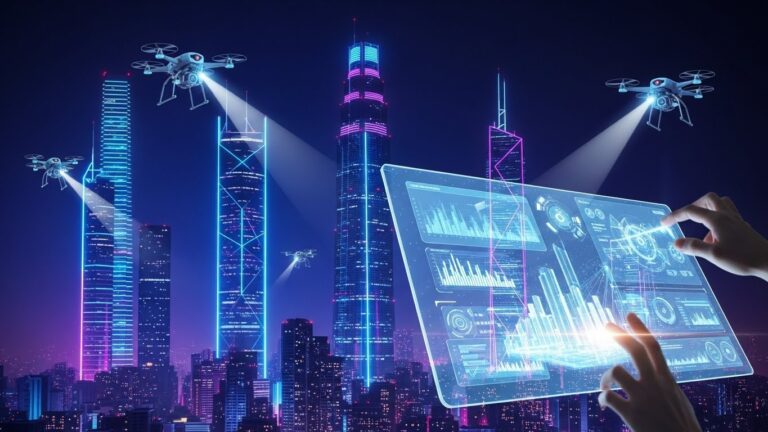
Technology has become an inseparable part of human life, transforming the way we communicate, work, learn, and even think. It has redefined the world around us, creating possibilities that were once unimaginable. From the earliest tools of human civilization to today’s artificial intelligence and quantum computing, technology has constantly pushed the boundaries of what is possible. In the modern era, it is no longer just a tool but a driving force that shapes economies, societies, and cultures. This blog explores the evolution of technology, its impact across different sectors, the challenges it presents, and the opportunities it offers for the future.
The Evolution of Technology
The journey of technology begins with early human innovation. Stone tools, fire, and the wheel were among the first breakthroughs that allowed humans to survive, communicate, and explore the world. Over time, civilizations developed more advanced technologies such as irrigation, writing systems, and metallurgy, each contributing to societal growth and progress.
The Industrial Revolution marked a transformative period, introducing mechanized production, steam engines, and electricity. This era changed the way humans worked, lived, and interacted with their environment. The 20th century brought even more revolutionary technologies, including computers, telecommunications, and the internet. Today, we live in a digital era, where innovations in artificial intelligence, robotics, and biotechnology continue to reshape industries and daily life.
The Internet: Connecting the World
The internet is one of the most transformative technological innovations in human history. It has created a global network that connects billions of people, enabling instant communication, access to information, and collaboration across continents.
Education, business, entertainment, and social interaction have all been revolutionized by the internet. Knowledge is now universally accessible, allowing students and professionals to learn new skills and acquire information from anywhere. Businesses can reach global markets through digital platforms, while individuals can share experiences and ideas through social media. The internet has not only connected the world but has also accelerated innovation and global economic growth.
Artificial Intelligence and Machine Learning
Artificial intelligence, or AI, is a technology that enables machines to perform tasks that would normally require human intelligence. This includes learning, reasoning, problem-solving, and decision-making. Machine learning, a subset of AI, allows systems to improve performance over time by analyzing data patterns.
AI applications are widespread. In healthcare, AI helps predict diseases, personalize treatment plans, and assist in complex surgeries. In business, it enhances customer service, optimizes supply chains, and drives marketing strategies. Autonomous vehicles, voice assistants, and smart home devices are just a few examples of AI in everyday life. While AI offers significant advantages, it also poses challenges, including ethical concerns, job displacement, and data privacy issues. Responsible implementation is crucial for maximizing its benefits.
Data: The New Currency
In the digital era, data has become one of the most valuable resources. Every online interaction generates information that can be analyzed to make better decisions, improve services, and create innovative solutions. Companies rely on data analytics to understand consumer behavior, forecast trends, and optimize operations. Governments use data for urban planning, healthcare management, and public policy development.
Big data analytics allows organizations to identify patterns, predict outcomes, and make strategic decisions. For example, retailers can forecast demand, healthcare providers can anticipate patient needs, and logistics companies can streamline delivery processes. However, the collection and use of data raise concerns about privacy and security. Ensuring ethical practices in data management is critical to building trust and fostering innovation.
Mobile Technology: Empowering Individuals
Mobile technology has transformed the way people live, work, and communicate. Smartphones and tablets are no longer simple communication devices; they are multifunctional tools that provide access to banking, education, healthcare, entertainment, and social interaction. Mobile apps enable people to manage daily tasks efficiently, often bridging gaps for those in remote areas.
In education, mobile devices support online learning and digital classrooms, making education accessible to a wider audience. Healthcare applications allow patients to monitor their health, book appointments, and consult with doctors remotely. Mobile technology has created opportunities for global connectivity, enhancing convenience and empowering individuals worldwide.
Technology in Education
Education has been revolutionized by technology. Digital classrooms, online learning platforms, and interactive educational tools have made knowledge accessible to people around the world. Students can learn at their own pace, while teachers can provide personalized guidance based on individual needs.
Virtual simulations, educational games, and multimedia content enhance engagement and comprehension. Artificial intelligence helps tailor learning experiences, providing additional support where needed. Technology has not replaced traditional education but has enriched it, offering innovative ways to acquire knowledge, develop critical thinking, and foster creativity.
Healthcare Innovations
Healthcare has been significantly enhanced by technology. Advanced medical equipment, telemedicine, wearable health devices, and AI-driven diagnostics have improved patient care and treatment outcomes. Robotic-assisted surgeries increase precision and reduce recovery times, while telehealth allows individuals in remote areas to access medical services.
Wearable devices track vital signs, monitor physical activity, and provide real-time health data, empowering people to manage their well-being. Biotechnology innovations, including gene editing and personalized medicine, are creating treatments tailored to individual genetic profiles. Technology has improved both the quality and accessibility of healthcare worldwide.
Workplace Transformation
The modern workplace has been reshaped by technology. Cloud computing, remote collaboration tools, and digital communication platforms allow teams to work efficiently from any location. Video conferencing, instant messaging, and project management tools have increased productivity and flexibility.
Automation and artificial intelligence streamline repetitive tasks, enabling employees to focus on higher-value activities such as problem-solving, creativity, and strategy. However, adapting to these technological changes requires new skills, digital literacy, and continuous learning. Technology has redefined how we work, collaborate, and innovate in professional environments.
Environmental Impacts and Sustainability
Technology offers solutions for sustainability but also poses environmental challenges. Electronic waste, energy consumption by data centers, and resource extraction for devices contribute to environmental degradation.
At the same time, technological innovation supports environmental conservation. Renewable energy sources like solar and wind power, smart grids, and energy-efficient devices reduce carbon footprints. Digital tools help monitor pollution, manage natural resources, and design sustainable cities. Responsible use of technology can balance progress with environmental stewardship.
Cybersecurity and Digital Privacy
As reliance on technology grows, cybersecurity has become a critical concern. Cyberattacks, hacking, and data breaches threaten individuals, businesses, and governments. Protecting sensitive information requires robust security measures, including encryption, authentication, and proactive monitoring.
Privacy is another major issue. Organizations must handle data ethically, and users need to adopt safe digital practices. Ensuring trust in the digital ecosystem is essential for realizing the full potential of technology without compromising security or personal rights.
Social and Cultural Transformation
Technology has reshaped social interactions and culture. Social media platforms allow people to connect globally, share experiences, and engage in activism. Technology facilitates cultural exchange, creating communities that transcend geographic and linguistic barriers.
However, it also brings challenges. Overdependence on digital platforms can reduce face-to-face communication, foster misinformation, and negatively affect mental health. Balancing online engagement with real-world relationships is essential for building healthy societies.
Emerging Technologies and the Future
The future of technology promises remarkable possibilities. Quantum computing, blockchain, augmented and virtual reality, and autonomous vehicles are poised to redefine industries and lifestyles. Smart cities, AI-powered healthcare, and space exploration will continue to expand the horizons of human potential.
Responsible development is crucial. Ethical frameworks, inclusivity, and accessibility must guide technological progress. The way society adopts and integrates these innovations will determine whether technology serves humanity equitably and sustainably.
Ethics in Technology
Ethics plays a critical role in the development and application of technology. Issues like AI bias, digital rights, privacy, and equitable access require careful attention. Ethical frameworks ensure that technology serves humanity responsibly and minimizes harm.
Inclusivity and fairness are key considerations. Technology should empower individuals regardless of socioeconomic status, geography, or ability. Ensuring equitable access fosters global development, reduces inequality, and strengthens communities. Ethical and responsible innovation ensures that technology benefits everyone.
Conclusion
Technology has transformed every aspect of modern life, from communication and education to healthcare and industry. It enhances productivity, accessibility, and innovation, while also presenting challenges related to privacy, security, and environmental impact.
The future of technology holds extraordinary opportunities. By applying ethical principles, fostering inclusivity, and prioritizing sustainability, society can harness technological advancements to improve lives, solve global challenges, and create a more connected world. Technology is not just a tool; it is a driving force shaping the trajectory of humanity.
As we advance further into the digital age, it is our responsibility to ensure that technological innovation serves humanity, preserves values, and creates opportunities for future generations. Technology’s potential is limitless, and the choices we make today will define the world of tomorrow.
About the Author