Introduction
Technology has evolved from a supporting role in human life to a central force shaping the way we work, communicate, and interact with the world. From smart devices in our homes to AI systems revolutionizing industry, modern technology is not merely a tool—it is a transformative force driving innovation and societal progress. The rapid pace of change across fields such as artificial intelligence, quantum computing, robotics, biotechnology, renewable energy, and immersive experiences has created a world where possibilities expand daily.
This blog explores these emerging technologies, highlighting their applications, benefits, and challenges. By examining the current technological landscape, we gain insight into how innovation is shaping the future and redefining human potential.
Artificial Intelligence: Redefining Intelligence
Artificial intelligence has moved beyond science fiction to become an essential part of modern life. AI encompasses machine learning, natural language processing, computer vision, and deep learning, allowing machines to learn, reason, and make decisions. AI is now used across healthcare, finance, education, transportation, and entertainment.
In healthcare, AI analyzes vast datasets to detect diseases early, recommend treatment options, and predict patient outcomes. Radiology imaging, pathology reports, and even surgical assistance benefit from AI-driven insights. In finance, AI algorithms detect fraudulent transactions, optimize investment strategies, and provide personalized customer experiences. Manufacturing industries utilize AI for predictive maintenance, streamlining operations, and reducing costs.
AI also powers smart home devices, voice assistants, and recommendation engines, enhancing convenience and personalizing experiences. However, ethical concerns such as algorithmic bias, privacy breaches, and potential job displacement demand careful regulation and responsible deployment.
Quantum Computing: Unlocking the Future
Quantum computing represents a new paradigm in computation. Unlike classical computers, which use binary bits, quantum computers use qubits that can exist in multiple states simultaneously. This capability, known as superposition, allows quantum computers to solve complex problems exponentially faster than traditional systems.
Quantum computing holds promise for numerous fields. In pharmaceuticals, quantum simulations can accelerate drug discovery by modeling molecular interactions at unprecedented speeds. Climate scientists can use quantum algorithms to model weather patterns and environmental changes with higher accuracy. In cryptography, quantum computing challenges existing encryption methods, pushing the development of quantum-resistant security protocols.
Although quantum technology is still emerging, investments from corporations and governments worldwide suggest practical applications may soon revolutionize industries ranging from healthcare to finance.
5G and the Connected Era
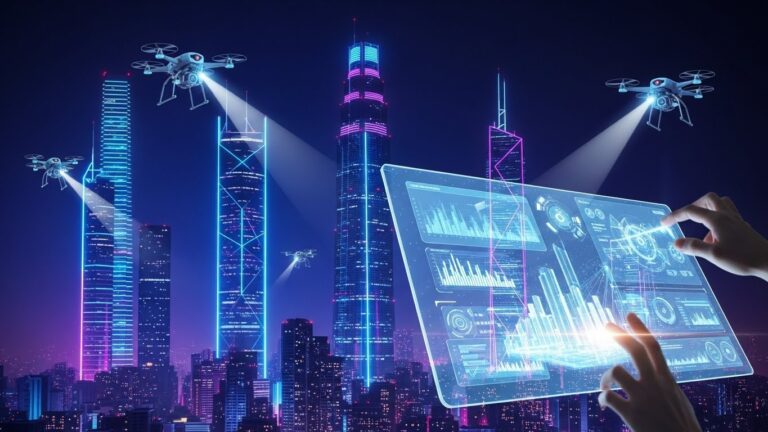
The implementation of 5G networks is transforming connectivity. With higher speeds, low latency, and the capacity to connect millions of devices simultaneously, 5G is fueling innovations in autonomous transport, smart cities, remote healthcare, and the Internet of Things.
Smart cities leverage 5G to optimize traffic flow, energy consumption, and emergency response systems. Autonomous vehicles use high-speed networks for real-time communication with other vehicles and infrastructure, increasing safety and efficiency. Telemedicine allows doctors to conduct virtual surgeries, monitor patient health remotely, and provide specialized care across geographic boundaries. Entertainment, gaming, and education benefit from seamless, low-latency connectivity, creating immersive experiences that were previously unattainable.
The convergence of 5G, AI, and IoT is creating a hyper-connected world where devices, data, and people interact in real time.
Renewable Energy and Sustainable Innovation
Sustainability is a central focus in technological development. Renewable energy technologies, including solar, wind, hydro, and advanced battery systems, are reshaping energy production and consumption.
Solar panels have become increasingly efficient and cost-effective, supporting both commercial and residential energy needs. Wind energy benefits from AI-driven predictive maintenance and optimized turbine designs. Energy storage solutions, such as lithium-ion and solid-state batteries, allow renewable energy to be stored and distributed effectively. Electric vehicles and smart grids further enhance sustainability by reducing carbon emissions and improving energy efficiency.
Technological innovation in sustainability also extends to green building materials, carbon capture technologies, and efficient waste management, contributing to a cleaner and more resilient planet.
Robotics and Automation
Robotics is transforming the way humans interact with work and the environment. Industrial robots perform repetitive tasks with high precision, reducing errors and increasing efficiency. Surgical robots enable minimally invasive procedures, improving outcomes and reducing recovery times.
Service robots are now entering everyday life, assisting in retail, hospitality, healthcare, and domestic settings. Autonomous drones are deployed for delivery, environmental monitoring, and disaster response. The integration of AI allows robots to make intelligent decisions, adapt to their surroundings, and safely interact with humans.
While robotics enhances productivity, it also raises challenges such as workforce displacement, ethical considerations, and the need for regulatory frameworks to ensure safe and responsible deployment.
The Internet of Things: A Connected Ecosystem
The Internet of Things connects devices and systems, enabling data collection, analysis, and automated decision-making. Smart homes, cities, and industries benefit from IoT through increased efficiency, safety, and convenience.
Healthcare leverages IoT through wearable devices that monitor vital signs, detect abnormalities, and alert medical professionals in real time. Agriculture uses IoT to monitor soil conditions, optimize irrigation, and improve crop yields. Industrial operations employ IoT for predictive maintenance, quality control, and resource management.
As IoT devices proliferate, cybersecurity, data privacy, and interoperability become increasingly important. Secure implementation and responsible data management are essential to harnessing IoT’s full potential.
Biotechnology: Redefining Life and Health
Biotechnology is revolutionizing healthcare, agriculture, and environmental management. Gene-editing technologies, such as CRISPR, allow precise modification of DNA, potentially curing genetic diseases and improving crop resistance. Personalized medicine leverages genetic data to tailor treatments, improving efficacy and minimizing side effects.
Wearable devices and connected medical technologies monitor patient health, providing actionable insights for preventive care. Telemedicine expands access to healthcare in remote regions. Robotics-assisted surgeries and AI-powered diagnostics enhance precision, reduce human error, and save lives. Biotechnology innovations also support sustainable solutions, such as biofuels, biodegradable materials, and pollution management technologies.
Virtual Reality and Augmented Reality
Virtual reality and augmented reality are transforming how humans interact with digital and physical worlds. VR immerses users in fully simulated environments, enabling interactive gaming, training, and virtual travel experiences. AR overlays digital information onto the real world, enhancing navigation, education, design, and industrial processes.
In education, VR allows students to explore historical landmarks, conduct virtual science experiments, and experience hands-on training in simulated environments. AR provides architects, engineers, and medical professionals with real-time guidance, improving accuracy and decision-making. The entertainment industry leverages VR and AR for immersive storytelling, interactive media, and gaming experiences that captivate audiences worldwide.
Blockchain and Digital Trust
Blockchain technology is transforming digital transactions by providing transparency, security, and decentralization. While widely associated with cryptocurrencies, blockchain’s applications extend to finance, healthcare, supply chain management, and digital identity verification.
Financial systems use blockchain for secure cross-border payments, fraud prevention, and transaction efficiency. Supply chains leverage blockchain to track goods, ensuring authenticity and reducing waste. Healthcare applications enable secure storage and controlled sharing of medical data. Smart contracts automate agreements, reduce administrative overhead, and enhance compliance.
Blockchain technology empowers users with trust and transparency in digital interactions, fundamentally altering the way organizations and individuals manage information.
Cybersecurity in the Modern World
As technology advances, cybersecurity becomes increasingly vital. Protecting personal data, corporate networks, and critical infrastructure is essential to prevent digital threats such as hacking, ransomware, and phishing attacks.
AI-enhanced cybersecurity tools analyze patterns, detect anomalies, and respond to threats in real time. Encryption, secure authentication methods, and proactive monitoring protect sensitive information. As connectivity and data usage increase, maintaining robust cybersecurity practices is essential to ensuring trust and safety in a digital world.
Ethical Considerations and Responsible Technology
Rapid technological advancement raises ethical and societal questions. AI bias, data privacy, environmental sustainability, automation-related job displacement, and genetic modification all require careful governance.
Responsible technology development emphasizes transparency, equity, accountability, and sustainability. Governments, corporations, and individuals must collaborate to create frameworks that balance innovation with societal well-being. Ethical design and deployment ensure that technological progress benefits all sectors of society while mitigating unintended consequences.
Education and the Skills of the Future
Education is critical in preparing individuals to thrive in a technology-driven world. STEM education, coding, data analysis, robotics, and cybersecurity skills are essential for workforce readiness. Lifelong learning initiatives and continuous professional development help individuals adapt to changing industries.
Practical training, online courses, and experiential learning programs equip learners with the skills to participate in the evolving technological landscape. By prioritizing education and skills development, societies can ensure equitable access to technological opportunities and foster innovation.
The Future of Work and Society
Technology is reshaping the workplace and social structures. Automation, AI-assisted decision-making, and digital collaboration tools improve efficiency and enable flexible work arrangements. Remote work, cloud computing, and virtual collaboration platforms allow global teams to operate seamlessly.
Workers must adapt to new workflows, upskill regularly, and embrace collaborative human-machine approaches. Balancing human creativity with technological efficiency will define future economic growth and social development.
Sustainable Technology and Environmental Responsibility
Sustainable technological development addresses climate change and environmental degradation. Renewable energy, smart grids, electric vehicles, waste management, and green materials contribute to a more sustainable world.
AI and IoT optimize energy consumption, monitor environmental conditions, and facilitate climate research. Biotechnology innovations offer eco-friendly alternatives to traditional industrial processes. By integrating technology with sustainability, societies can achieve economic growth while minimizing environmental impact.
Conclusion
The dawn of intelligent technology signals a new era of human progress. Artificial intelligence, quantum computing, robotics, IoT, biotechnology, blockchain, and renewable energy are redefining industries, lifestyles, and global systems. These innovations provide unprecedented opportunities while posing challenges that demand ethical consideration and responsible governance.
By embracing innovation, fostering education, and prioritizing sustainability, humanity can leverage technology to create a more connected, intelligent, and resilient future. Technology is not merely a tool; it is a partner in shaping a world where human creativity, intelligence, and innovation can thrive.
About the Author