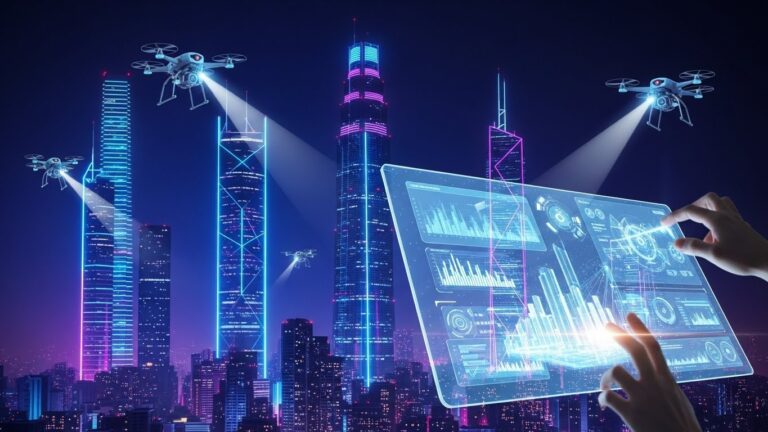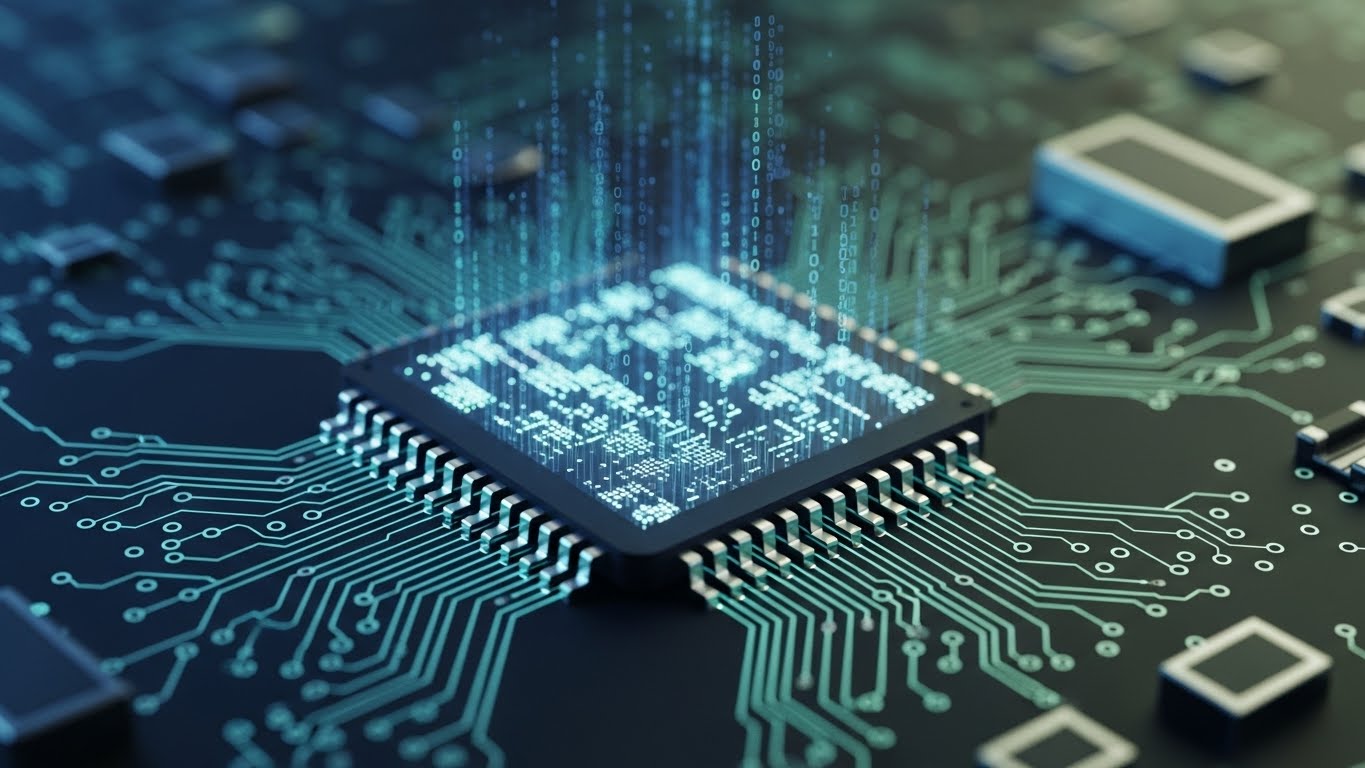
In the twenty-first century, technology has evolved from a tool of convenience into the cornerstone of human progress. The rapid pace of innovation has created a world that is more interconnected, intelligent, and dynamic than ever before. From artificial intelligence to advanced robotics, the technologies of today are transforming industries, redefining lifestyles, and reshaping the very way we perceive reality. This blog explores the most significant technological trends shaping our future and highlights how they influence our daily lives, businesses, and society at large.
The Era of Artificial Intelligence and Machine Learning
Artificial intelligence and machine learning are no longer concepts confined to research labs or science fiction novels. They are embedded in applications we use every day, from voice assistants on smartphones to recommendation algorithms on streaming platforms. AI systems can process massive amounts of data, identify patterns, and make predictions with remarkable accuracy. Machine learning, a subset of AI, allows systems to improve over time by learning from data, creating increasingly intelligent solutions for complex problems.
Businesses are leveraging AI to automate processes, reduce operational costs, and enhance customer experiences. In healthcare, AI-driven diagnostics are assisting doctors in identifying diseases earlier and with higher accuracy. Retailers are using machine learning to personalize customer experiences, predicting what consumers might want before they even search for it. The potential of AI is limitless, but it also raises ethical questions regarding privacy, decision-making, and job displacement, making it crucial for society to balance innovation with responsibility.
Quantum Computing: Redefining Computational Power
Quantum computing represents a paradigm shift in our approach to computation. Unlike traditional computers that use binary bits, quantum computers utilize qubits, which can exist in multiple states simultaneously due to quantum superposition. This property allows quantum machines to solve complex problems at speeds unattainable by classical computers.
While quantum computing is still in its experimental stages, its potential applications are groundbreaking. In cybersecurity, quantum algorithms could potentially break conventional encryption methods, forcing the development of new quantum-safe protocols. In pharmaceuticals, quantum simulations can model molecular interactions with extraordinary precision, accelerating the creation of new medicines. Despite its promise, quantum computing also presents significant challenges, including error correction and the need for extremely low-temperature environments. Nevertheless, it is poised to revolutionize industries where computational limitations have previously restricted innovation.
Internet of Things: Connecting Everything Around Us
The Internet of Things, or IoT, refers to a network of interconnected devices that communicate and exchange data through the internet. From smart home devices to industrial machinery, IoT enables seamless interaction between objects, creating more efficient and responsive environments.
IoT has applications across a multitude of sectors. In agriculture, sensors monitor soil conditions and optimize irrigation, increasing crop yields and reducing waste. In manufacturing, IoT-enabled machines communicate in real time to prevent breakdowns and improve production efficiency. In healthcare, wearable devices track vital signs and provide critical health insights, often before symptoms appear. Despite its advantages, IoT also introduces concerns regarding data security and privacy. As more devices become interconnected, protecting sensitive information becomes increasingly critical.
5G Technology: Accelerating Connectivity
The rollout of 5G networks represents a transformative leap in connectivity. With speeds hundreds of times faster than 4G and significantly lower latency, 5G enables a new generation of applications that were previously impractical. Autonomous vehicles, smart cities, and augmented reality experiences all rely on the capabilities of high-speed, low-latency networks.
The speed and reliability of 5G will impact industries far beyond telecommunications. Healthcare providers can conduct remote surgeries in real time, while industrial automation will achieve unprecedented levels of efficiency. In education, 5G facilitates immersive learning experiences, including virtual classrooms and interactive simulations. As 5G continues to expand globally, it will serve as the backbone of an increasingly connected and intelligent world.
Augmented and Virtual Reality: Blurring the Line Between Real and Digital
Augmented reality (AR) and virtual reality (VR) are reshaping the way humans experience information and interact with digital content. AR overlays digital elements onto the real world, enhancing our perception of reality. VR creates entirely immersive environments, allowing users to experience simulated realities in three dimensions.
These technologies are finding applications far beyond gaming and entertainment. In healthcare, AR assists surgeons by projecting critical information during procedures, reducing errors and improving outcomes. VR is being used for training across multiple industries, from aviation to emergency response, allowing professionals to practice in risk-free, simulated environments. Retailers are using AR to help customers visualize products in their own homes before purchasing. As hardware becomes more affordable and software more sophisticated, AR and VR will become increasingly integral to how we interact with technology daily.
Biotechnology and Genomics: Merging Technology with Life Sciences
Biotechnology and genomics are revolutionizing medicine and agriculture. Advances in gene editing, particularly with CRISPR technology, have made it possible to alter DNA with unprecedented precision. This opens the door to treating genetic disorders, developing disease-resistant crops, and potentially eradicating certain diseases altogether.
Personalized medicine is another breakthrough resulting from genomic research. By analyzing an individual’s genetic code, healthcare providers can create tailored treatment plans that are far more effective than one-size-fits-all approaches. Biotechnology also intersects with environmental science, enabling the development of sustainable solutions such as biofuels, biodegradable materials, and pollution-cleaning microorganisms. The integration of technology and life sciences promises to improve quality of life while addressing some of the world’s most pressing challenges.
Robotics and Automation: Redefining Labor and Efficiency
Robotics and automation are transforming industries by performing tasks that are repetitive, dangerous, or highly precise. Industrial robots have been a mainstay in manufacturing for decades, but modern robotics are increasingly sophisticated, combining AI, sensors, and advanced algorithms to operate autonomously.
Robots are no longer limited to factories. In logistics, automated systems sort and transport goods at speeds far exceeding human capabilities. In healthcare, surgical robots assist doctors with precision operations. In everyday life, domestic robots perform chores and provide assistance to the elderly or differently-abled individuals. While automation offers immense benefits in efficiency and safety, it also necessitates a reevaluation of workforce skills and employment structures. The human workforce will need to adapt, focusing on creativity, problem-solving, and oversight rather than routine tasks.
Renewable Energy and Sustainable Technologies
As global concerns about climate change intensify, technology is increasingly directed towards sustainability. Renewable energy sources like solar, wind, and hydro are becoming more efficient and cost-effective. Innovations in energy storage, such as advanced batteries, allow renewable energy to be stored and used on demand, mitigating the intermittency problem that has historically limited green energy adoption.
Electric vehicles are reshaping the automotive industry, reducing reliance on fossil fuels while providing environmentally friendly alternatives. In addition, smart grids, which use digital technology to manage electricity distribution efficiently, are improving energy consumption and reducing waste. Sustainable technology is not just an environmental necessity but also an economic opportunity, offering new markets, jobs, and pathways for innovation.
Cybersecurity: Protecting the Digital Future
As technology becomes more integrated into every aspect of life, cybersecurity has never been more critical. Cyber threats are evolving in complexity, targeting individuals, businesses, and governments alike. Protecting sensitive information, financial transactions, and critical infrastructure is a priority for modern society.
Emerging technologies like AI are both a tool and a challenge for cybersecurity. AI can detect threats faster than traditional methods and even predict potential breaches. At the same time, cybercriminals are using AI to create more sophisticated attacks. Developing secure systems, educating users, and establishing robust regulatory frameworks will be essential in safeguarding our increasingly digital world.
The Ethical and Social Implications of Technology
While the benefits of technological advancement are vast, there are significant ethical and social considerations to address. Privacy concerns, algorithmic bias, job displacement, and unequal access to technology are challenges that must be managed responsibly. Policymakers, businesses, and society must work together to ensure that technology serves humanity without causing harm or widening societal inequalities.
Technology also has the power to influence culture, communication, and human behavior. Understanding its impact on mental health, social interaction, and civic engagement is critical to building a future where technology enhances human potential rather than diminishing it.
Conclusion: Embracing the Technological Future
The pace of technological change is accelerating, and the possibilities it brings are both exciting and challenging. Artificial intelligence, quantum computing, IoT, AR/VR, biotechnology, robotics, and renewable energy are transforming the world at every level, from individual lifestyles to global economies. Embracing these innovations requires not only curiosity and adaptability but also a commitment to ethical and responsible use.
The future is a landscape shaped by human ingenuity and technological capability. By understanding the potential and limitations of emerging technologies, society can navigate this rapidly changing environment effectively. The digital revolution is not a distant reality; it is happening now, and those who engage with it thoughtfully will shape the world of tomorrow.
About the Author