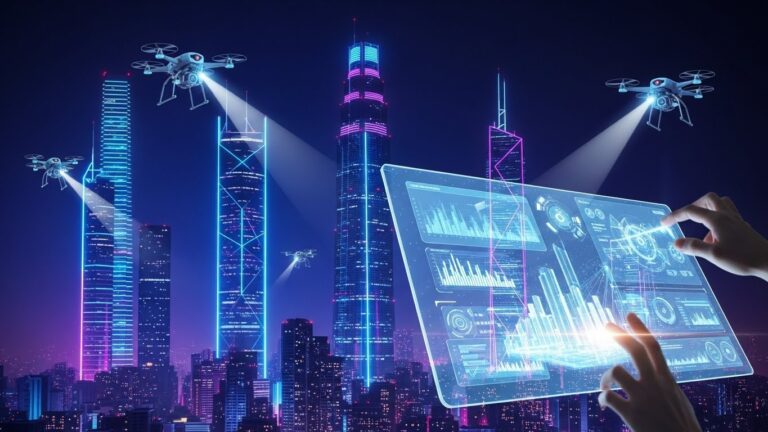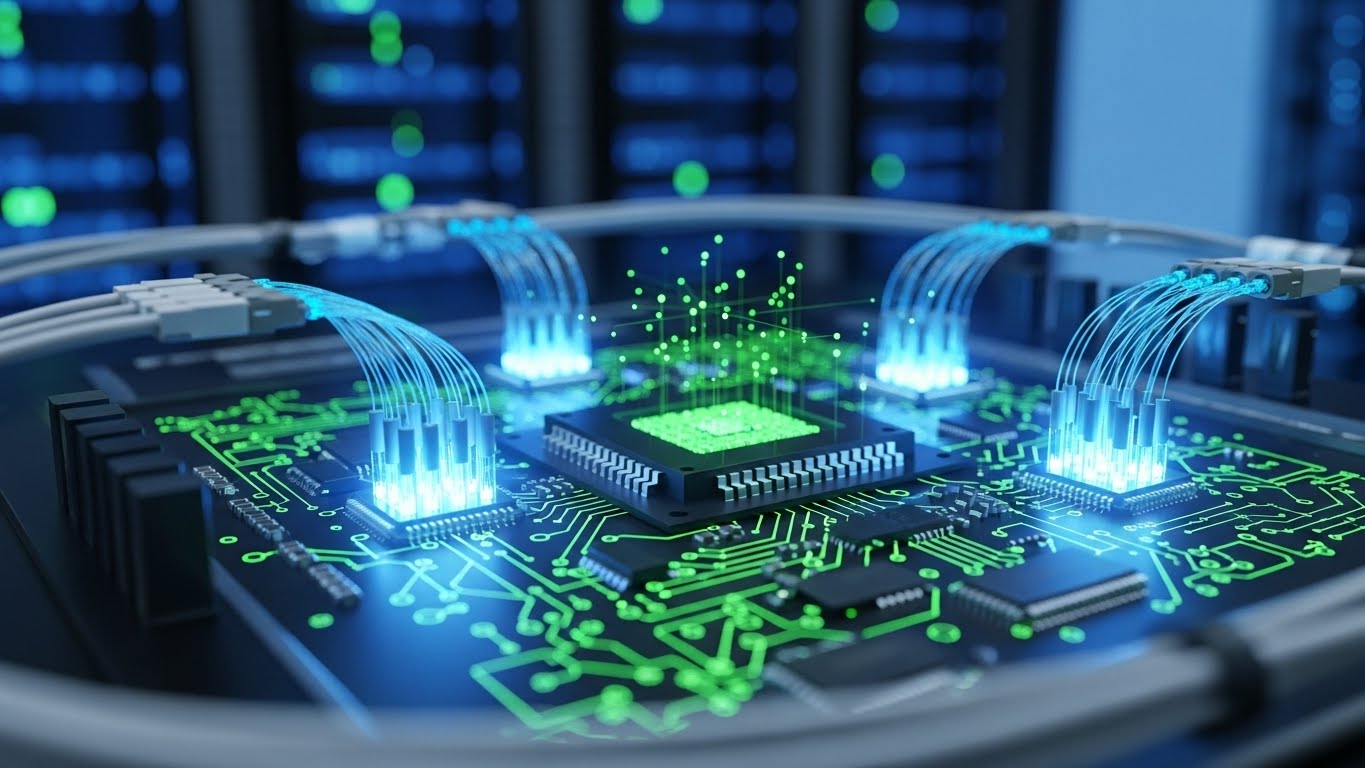
Technology is advancing at an unprecedented rate, changing the way we live, work, and interact. From artificial intelligence (AI) and machine learning to quantum computing and blockchain, the future of technology is evolving in ways that were once unimaginable. As we stand on the cusp of these groundbreaking advancements, it’s essential to explore how technology is shaping our world and what the future holds.
In this blog post, we will dive into the key technological innovations driving change across industries, their potential impact on our daily lives, and the challenges and ethical considerations we must face as we embrace the digital age.
1. Artificial Intelligence: The Brain Behind Digital Transformation
Artificial intelligence (AI) is arguably the most transformative technology of our time. With its ability to process vast amounts of data, recognize patterns, and make decisions faster and more accurately than humans, AI is revolutionizing everything from healthcare to finance.
AI in Healthcare
One of the most exciting applications of AI is in the healthcare sector. AI-powered diagnostic tools are already being used to analyze medical images, predict patient outcomes, and even assist in drug development. Machine learning algorithms can help doctors identify early signs of diseases like cancer, improving patient survival rates by enabling earlier treatment.
AI in Business and Finance
In business, AI is streamlining operations, enhancing customer experiences, and driving efficiencies. Automation tools powered by AI are increasingly used to perform repetitive tasks, allowing employees to focus on higher-level problem-solving. In finance, AI is revolutionizing trading, risk assessment, and fraud detection.
Despite its benefits, AI also presents challenges. Concerns about job displacement due to automation and the ethical use of AI in decision-making remain significant topics of debate. The future of AI will depend not just on technological advancements but also on how society addresses these ethical dilemmas.
2. Quantum Computing: Unlocking Unprecedented Processing Power
While traditional computers process information using binary code (0s and 1s), quantum computers harness the principles of quantum mechanics to process data in a fundamentally different way. Quantum computing has the potential to solve complex problems in seconds that would take current supercomputers millennia to complete.
Quantum Computing Applications
The implications of quantum computing are enormous. In fields such as cryptography, medicine, and climate modeling, quantum computers could provide solutions that were previously out of reach. For instance, in drug discovery, quantum computers could simulate molecular structures more accurately, speeding up the development of new medications. Similarly, quantum algorithms could improve weather predictions, helping us tackle climate change.
However, quantum computing is still in its infancy. The technology faces significant challenges, including issues with qubit stability and error correction. Despite these hurdles, the potential rewards make quantum computing one of the most exciting areas of technological research today.
3. Blockchain Technology: Revolutionizing Trust and Transparency
Blockchain technology, best known for its role in powering cryptocurrencies like Bitcoin, is more than just a digital ledger. It is a decentralized, immutable system that allows for secure, transparent transactions without the need for intermediaries. This makes it an attractive solution for industries that require secure, traceable transactions.
Blockchain in Supply Chain Management
One of the most promising applications of blockchain is in supply chain management. With blockchain, companies can track the movement of goods from the point of origin to the end consumer, ensuring transparency and reducing the risk of fraud. This level of traceability is especially important in industries such as food safety, pharmaceuticals, and luxury goods.
Blockchain in Finance and Healthcare
Blockchain is also poised to disrupt the financial industry by enabling faster, more secure transactions with lower fees. In healthcare, blockchain could be used to store patient records securely, allowing authorized professionals to access and update information seamlessly while ensuring privacy and reducing the risk of data breaches.
Like any emerging technology, blockchain is not without its challenges. Issues such as scalability, energy consumption, and regulatory concerns must be addressed before blockchain can reach its full potential.
4. The Internet of Things (IoT): Connecting the World Around Us
The Internet of Things (IoT) refers to the network of interconnected devices that communicate with each other over the internet. From smart homes and wearable devices to industrial sensors and autonomous vehicles, IoT is transforming industries and everyday life.
Smart Homes and Cities
In the realm of smart homes, IoT technology is already making our lives more convenient and efficient. Devices like smart thermostats, lighting systems, and home security cameras can be controlled remotely via smartphones or voice assistants. Similarly, IoT-enabled cities are emerging, with connected infrastructure that can optimize traffic flow, reduce energy consumption, and improve public safety.
Industrial IoT
On a larger scale, IoT is revolutionizing industries like manufacturing, logistics, and agriculture. In factories, sensors embedded in machinery can monitor performance in real time, predicting when equipment will fail and reducing downtime. In agriculture, IoT devices are helping farmers optimize irrigation, monitor crop health, and even automate harvesting.
However, the growth of IoT also raises concerns about data security and privacy. With so many devices collecting personal and sensitive information, ensuring that this data is protected is critical to the widespread adoption of IoT.
5. 5G Networks: The Backbone of the Digital Future
5G technology promises to deliver faster internet speeds, lower latency, and more reliable connections, enabling new possibilities for everything from augmented reality (AR) to autonomous vehicles. While 4G brought us faster mobile internet, 5G will be a game-changer for industries that rely on real-time data transmission.
5G in Healthcare and Transportation
In healthcare, 5G networks will enable remote surgeries, real-time monitoring of patients, and faster transmission of medical data. In transportation, 5G will support the development of autonomous vehicles by enabling them to communicate with each other and with traffic infrastructure in real-time, improving safety and efficiency.
5G in Industry
Industries such as manufacturing and logistics will also benefit from 5G’s ultra-reliable and low-latency communication. Real-time data sharing and analysis will enable factories to operate more efficiently, while autonomous delivery systems will become more common.
While 5G holds immense potential, its widespread rollout faces challenges. Building the necessary infrastructure, securing spectrum allocation, and addressing concerns about health risks associated with 5G radiation are just a few of the hurdles that must be overcome.
6. Ethical Considerations: Balancing Progress with Responsibility
As technology continues to advance, ethical considerations are becoming more critical. Issues such as data privacy, AI bias, and the environmental impact of tech manufacturing must be carefully addressed to ensure that the benefits of these technologies are realized without unintended consequences.
Data Privacy and Security
With the rise of big data and IoT, the collection and storage of personal information have become more widespread. Ensuring that data is securely protected and used ethically is a growing concern. Governments and tech companies are increasingly being held accountable for data breaches and misuse of personal information.
AI and Bias
AI algorithms are only as good as the data they are trained on. If these data sets are biased, the resulting AI systems can perpetuate those biases. This is particularly concerning in fields such as hiring, criminal justice, and healthcare, where AI decisions can have significant consequences. Ensuring fairness and transparency in AI systems will be essential to their success.
Environmental Impact
The environmental impact of technology is another pressing issue. From the energy consumption of data centers to the e-waste generated by obsolete devices, the tech industry must find ways to reduce its carbon footprint. Innovations like green computing and sustainable manufacturing practices will play a key role in addressing these challenges.
Conclusion: Embracing the Future with Caution and Optimism
The future of technology is incredibly exciting, with innovations that have the potential to solve some of humanity’s most pressing challenges. However, as we embrace these advancements, we must do so with caution, ensuring that the benefits of technology are shared equitably and that ethical considerations are at the forefront of development.
The digital age offers countless opportunities for progress, but we must navigate it thoughtfully. By prioritizing responsible innovation, collaboration, and a focus on human well-being, we can shape a future where technology truly enhances our lives.
As we look ahead to the next decade, one thing is clear: the technologies of today are only the beginning. The future holds endless possibilities, and it’s up to all of us to ensure that we steer the course toward a better, more connected, and sustainable world.
About the Author