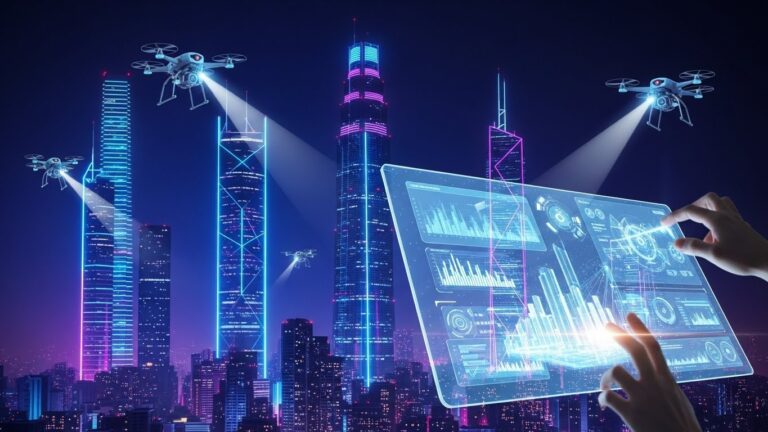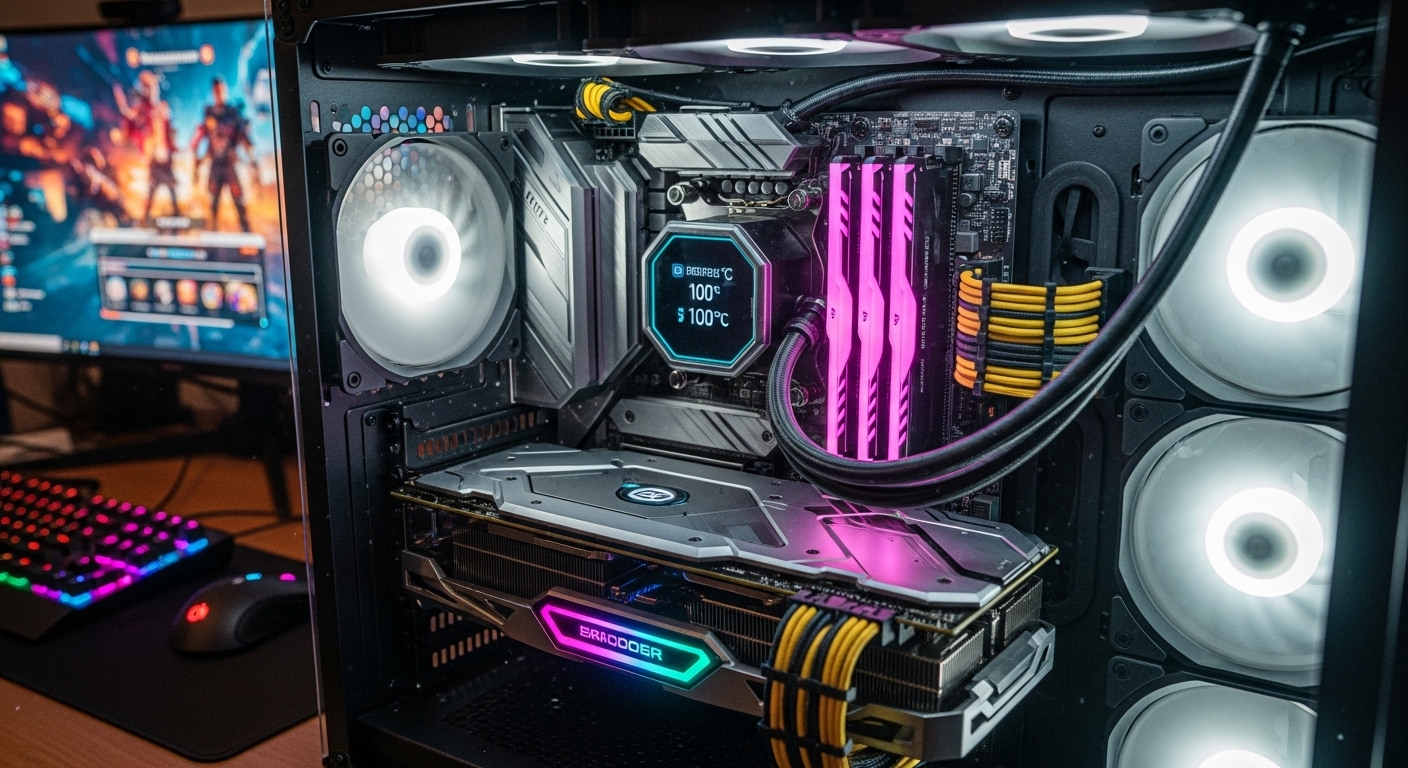
Technology has become the cornerstone of modern civilization, shaping every aspect of our lives, from communication and transportation to healthcare and education. In the last few decades, rapid technological advancements have transformed the way people interact, work, and even think. This blog explores the multifaceted impact of technology, examining innovations across various domains, their societal implications, and the future possibilities they present.
The Evolution of Computing
Computing technology has undergone a remarkable evolution, from the room-sized machines of the mid-20th century to the compact and powerful devices of today. Early computers were primarily used for scientific calculations and military purposes, with limited accessibility for the general public. The invention of the microprocessor in the 1970s marked a turning point, enabling the development of personal computers. These machines brought computing power to homes and small businesses, democratizing access to information and opening up new opportunities for productivity and creativity.
The rise of cloud computing has further revolutionized computing infrastructure. Cloud platforms allow individuals and organizations to access vast computing resources over the internet without maintaining physical servers. This shift has enabled businesses to scale efficiently, reduced IT costs, and fostered innovation by providing developers with tools to build complex applications without heavy upfront investments.
Artificial Intelligence and Machine Learning
Artificial Intelligence (AI) and Machine Learning (ML) represent some of the most groundbreaking technological advancements of the 21st century. AI systems can analyze massive amounts of data, recognize patterns, and make decisions with minimal human intervention. Machine Learning, a subset of AI, allows systems to learn from experience, improving performance over time.
AI applications span numerous sectors. In healthcare, AI algorithms assist in diagnosing diseases, predicting patient outcomes, and even discovering new drugs. In finance, AI powers fraud detection systems and algorithmic trading platforms. Autonomous vehicles, powered by AI, promise to redefine transportation by reducing accidents and enhancing efficiency. Moreover, AI-driven natural language processing tools have transformed how humans interact with machines, making communication more intuitive and accessible.
The Internet of Things (IoT)
The Internet of Things (IoT) has introduced a new era of connectivity, linking everyday objects to the internet and enabling them to communicate with each other. Smart homes equipped with connected devices, such as thermostats, security systems, and appliances, provide convenience and energy efficiency. In industrial settings, IoT sensors monitor machinery in real-time, reducing downtime and optimizing operations.
IoT has also impacted healthcare, with wearable devices tracking vital signs, activity levels, and sleep patterns. These devices empower individuals to manage their health proactively and provide doctors with valuable insights for personalized treatment plans. The integration of IoT with AI enhances the ability to predict trends, prevent failures, and improve overall quality of life.
Advances in Telecommunications
Telecommunications technology has experienced rapid progress, transforming how people communicate globally. The transition from 2G to 5G networks has drastically increased data speeds and reduced latency, enabling real-time communication and the seamless transmission of large amounts of information. 5G networks are essential for supporting emerging technologies such as autonomous vehicles, augmented reality, and smart cities.
Video conferencing platforms, mobile applications, and instant messaging services have redefined personal and professional communication. These technologies have made remote work feasible, allowing businesses to operate globally without geographical constraints. Telecommunications innovations continue to bridge gaps between communities, fostering collaboration and connectivity on an unprecedented scale.
Cybersecurity Challenges and Solutions
As technology advances, the importance of cybersecurity has become paramount. Cyber threats, including data breaches, ransomware attacks, and identity theft, pose significant risks to individuals, businesses, and governments. Protecting sensitive information requires a combination of technical solutions, user education, and regulatory frameworks.
Modern cybersecurity approaches leverage AI and machine learning to detect anomalies and respond to threats in real-time. Encryption technologies ensure that data remains secure during transmission and storage. Multi-factor authentication and biometric verification provide additional layers of security, safeguarding digital identities. As cyber threats evolve, continuous innovation in cybersecurity practices is essential to protect the digital ecosystem.
Blockchain and Decentralized Systems
Blockchain technology has emerged as a revolutionary approach to secure, transparent, and decentralized record-keeping. Initially associated with cryptocurrencies, blockchain has applications far beyond digital currencies. It enables secure transactions, supply chain transparency, and the creation of decentralized applications.
Smart contracts, powered by blockchain, automate and enforce agreements without intermediaries, reducing costs and enhancing trust. In industries such as finance, healthcare, and logistics, blockchain provides a tamper-proof ledger, improving efficiency and accountability. The decentralized nature of blockchain challenges traditional centralized systems, offering new models for governance, finance, and digital identity management.
Robotics and Automation
Robotics and automation technologies have transformed manufacturing, logistics, and even service industries. Advanced robots equipped with sensors, AI, and machine learning capabilities perform tasks with precision and efficiency, often surpassing human capabilities in repetitive or hazardous environments.
In manufacturing, industrial robots streamline production processes, reduce errors, and improve workplace safety. Service robots assist in healthcare, hospitality, and customer service, providing support and enhancing user experiences. Autonomous drones are used for deliveries, surveillance, and environmental monitoring, demonstrating the versatility and potential of robotics across sectors.
Virtual Reality and Augmented Reality
Virtual Reality (VR) and Augmented Reality (AR) technologies have redefined entertainment, education, and professional training. VR immerses users in fully digital environments, offering experiences ranging from gaming and simulations to virtual tours and therapeutic applications. AR overlays digital information onto the physical world, enhancing real-world experiences and providing interactive learning opportunities.
In education, AR and VR facilitate experiential learning, allowing students to explore complex concepts through visualization and interaction. In medicine, surgeons use AR to guide complex procedures, improving accuracy and patient outcomes. These immersive technologies continue to evolve, offering new ways to interact with information and enhancing human capabilities.
Green Technology and Sustainability
Technology plays a crucial role in addressing environmental challenges and promoting sustainability. Renewable energy technologies, such as solar panels, wind turbines, and hydroelectric systems, reduce reliance on fossil fuels and mitigate climate change. Energy storage solutions, including advanced batteries and grid management systems, optimize energy usage and distribution.
Smart technologies contribute to sustainable urban development. Smart grids, connected sensors, and energy-efficient buildings reduce waste and improve resource management. Environmental monitoring systems track air and water quality, enabling timely interventions and informed policy decisions. The integration of technology with sustainable practices empowers societies to balance economic growth with environmental stewardship.
The Future of Work and Technology
Technology continues to reshape the nature of work. Automation, AI, and digital collaboration tools change how tasks are performed, emphasizing skills such as creativity, critical thinking, and problem-solving. Remote work and digital nomadism are becoming increasingly viable, offering flexibility and access to global talent.
The gig economy, supported by digital platforms, provides opportunities for freelance work and entrepreneurial ventures. Education and training programs are evolving to equip individuals with the skills required for emerging careers. Lifelong learning, reskilling, and adaptability are essential in a rapidly changing technological landscape.
Ethical Considerations in Technology
As technology advances, ethical considerations become increasingly important. Issues such as data privacy, algorithmic bias, and the societal impact of AI demand careful attention. Developers, policymakers, and organizations must collaborate to ensure that technology serves humanity responsibly and equitably.
Ethical frameworks guide the development and deployment of emerging technologies, emphasizing transparency, accountability, and fairness. Public awareness and participation in technology-related decisions promote inclusive innovation, ensuring that technological progress benefits society as a whole.
Conclusion
Technology is a powerful force that shapes the way we live, work, and interact. From computing and artificial intelligence to blockchain, robotics, and immersive experiences, technological advancements continue to redefine the boundaries of possibility. While these innovations bring unprecedented opportunities, they also present challenges that require careful consideration and ethical stewardship. By embracing technology thoughtfully and responsibly, society can harness its transformative potential, creating a future that is both innovative and sustainable.
Technology is not just a tool; it is an integral part of human progress, enabling creativity, connectivity, and knowledge. Its evolution will continue to influence every dimension of life, making it imperative for individuals and organizations to stay informed, adaptable, and proactive. The journey of technological advancement is ongoing, and the possibilities it holds are limited only by imagination and ingenuity.
About the Author